
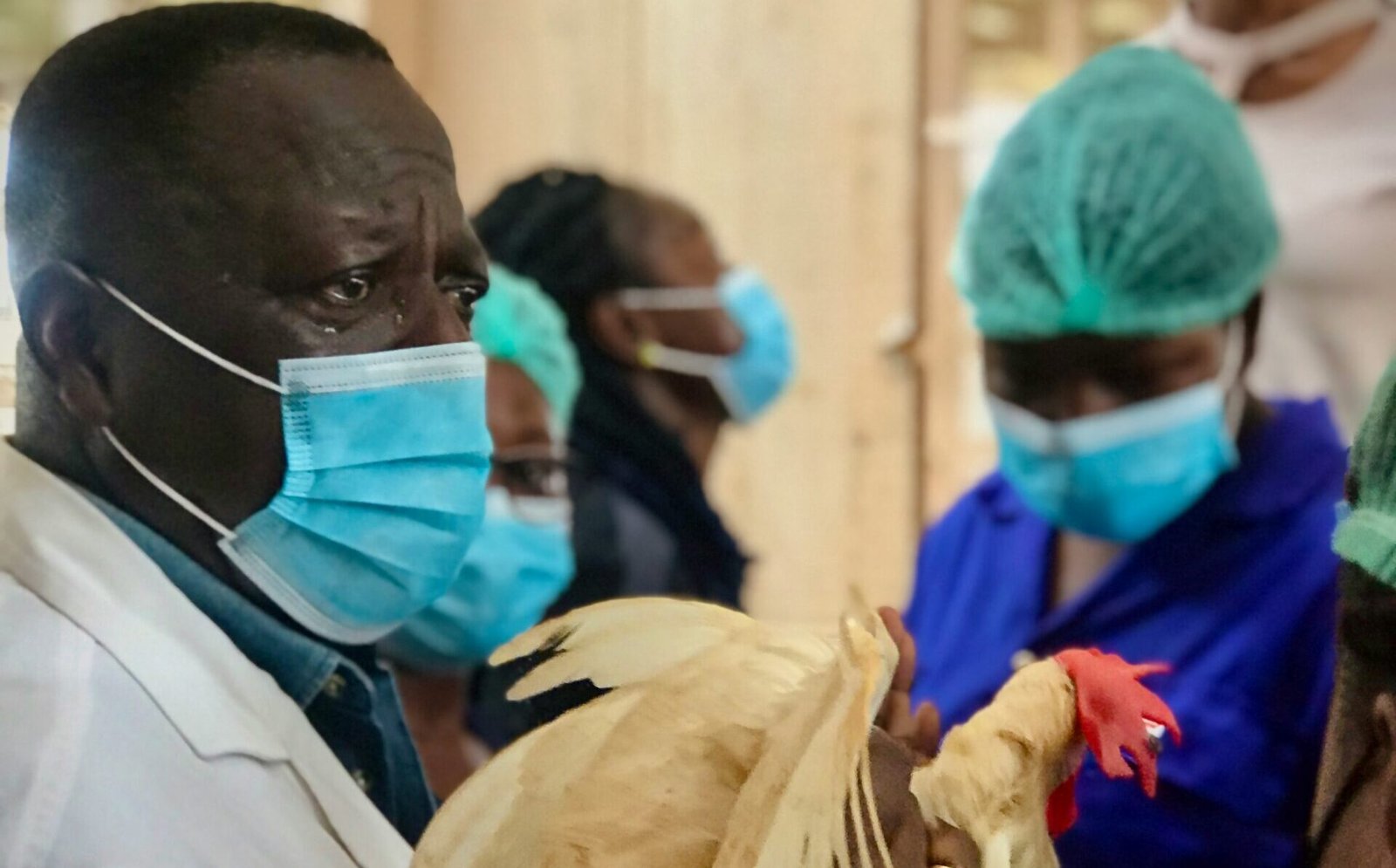
In this short leaflet we summarise the main outputs from GEAR up’s work on antimicrobial resistance. These include webinar recordings, how-to guides, briefs and case studies.
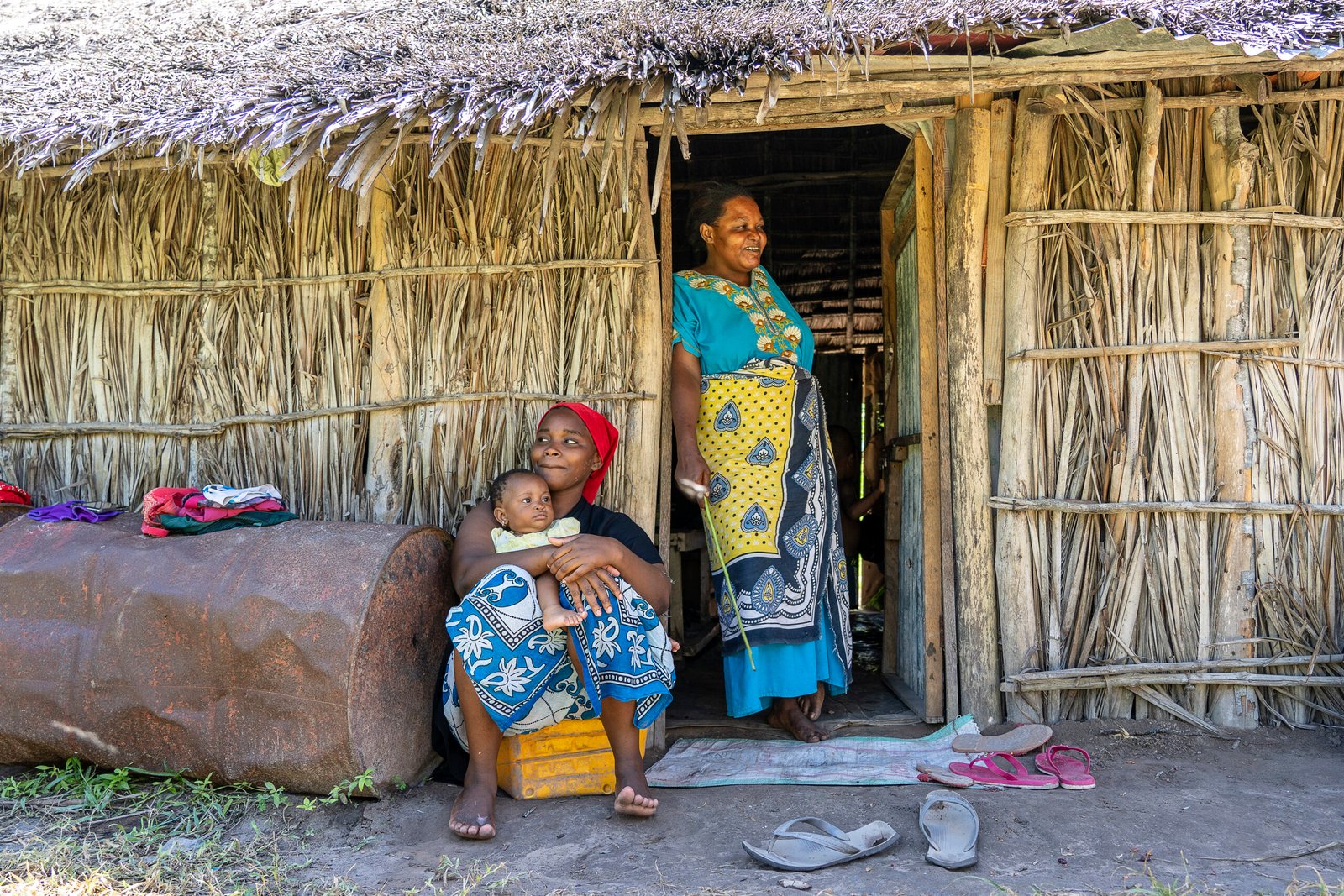
AMR and antimicrobial use surveillance data is routinely collected across many countries, but sex, age, and other social stratifiers are rarely analysed or reported. This case study describes how GEAR Up worked with country partners in Lao PDR, Ghana, Uganda, and Tanzania to apply an equity lens to existing AMR and AMU surveillance data, and […]

Abstract Global inequities in the burden of antimicrobial resistance (AMR), between and within populations, are heavily influenced by the social and structural determinants of health. Yet, AMR action has had limited attention to equity, and social approaches to AMR haven’t routinely gone beyond an exploration of knowledge and awareness around ABU. This represents a missed […]
Antimicrobial resistance (AMR) is a major global public health problem that makes antimicrobial drugs less effective and leads to higher illness, death, and healthcare costs. One of the important components of addressing AMR is systematic collection, analysis, and interpretation of AMR and antimicrobial use (AMU) data to inform evidence-based interventions. However, current AMR and AMU […]
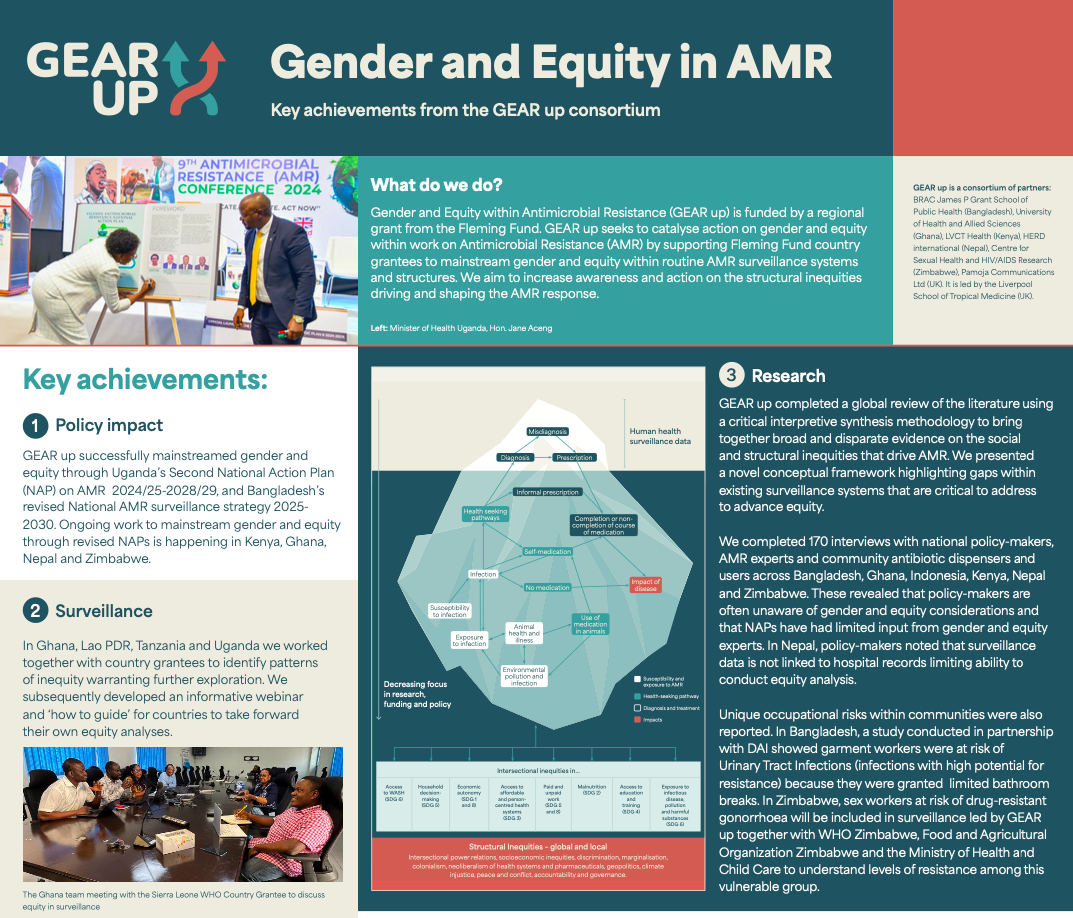
This poster was prepared for two events; the Fleming Fund Learning Summit and Leaving no one behind in AMR research, policy and practice: Integrating gender and equity in AMR One Health Solutions which was organised by the FAO.
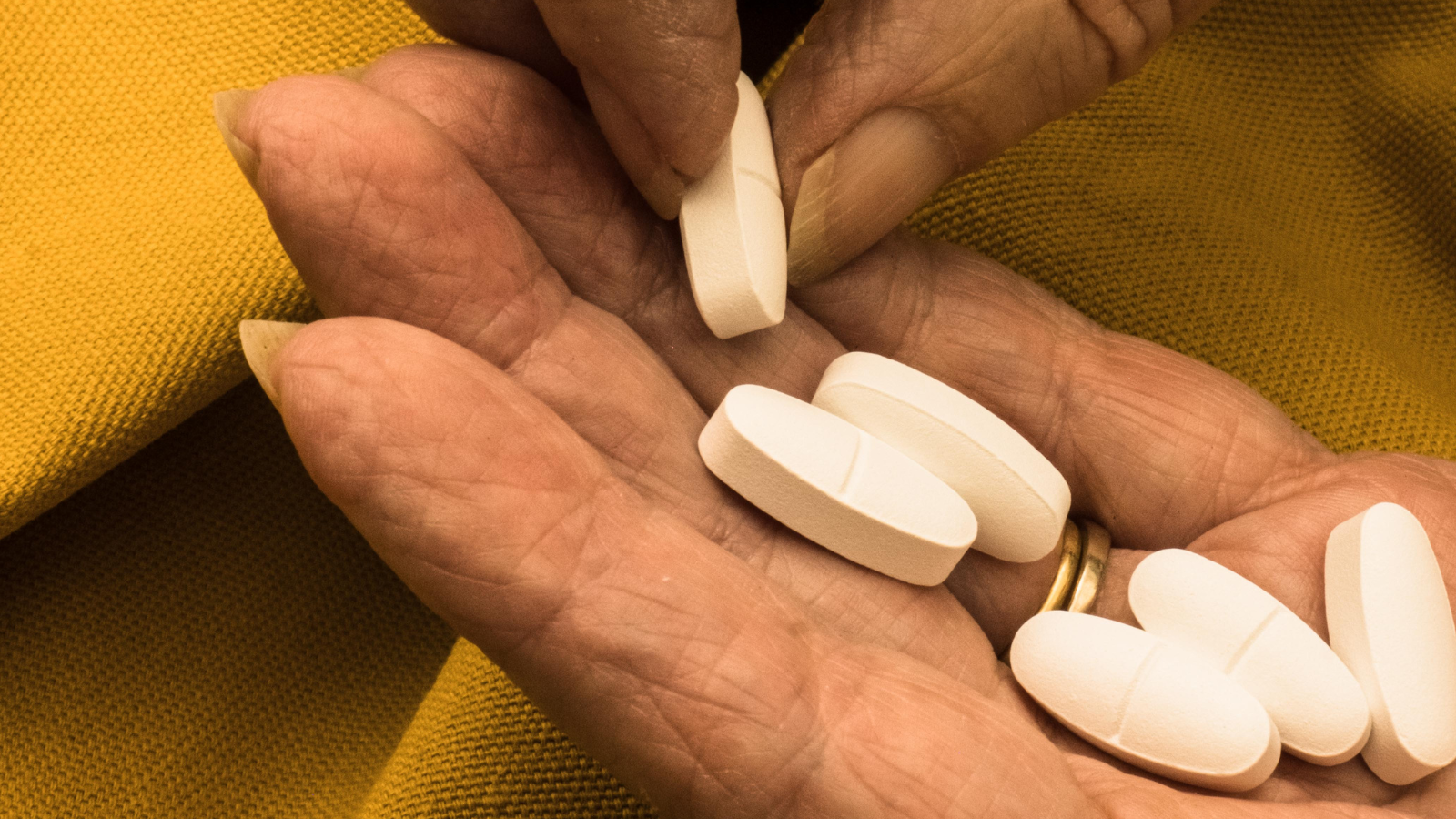
ABSTRACT Antimicrobial resistance (AMR) is a growing global health threat requiring a strong focus on equity. This scoping review aimed to document the evidence to outline recommendations for gender-responsive AMR policies, programmes, and interventions aligned with the World Health Organization’s People-centered approach to addressing AMR in the human health sector. We collected academic and grey literature published […]
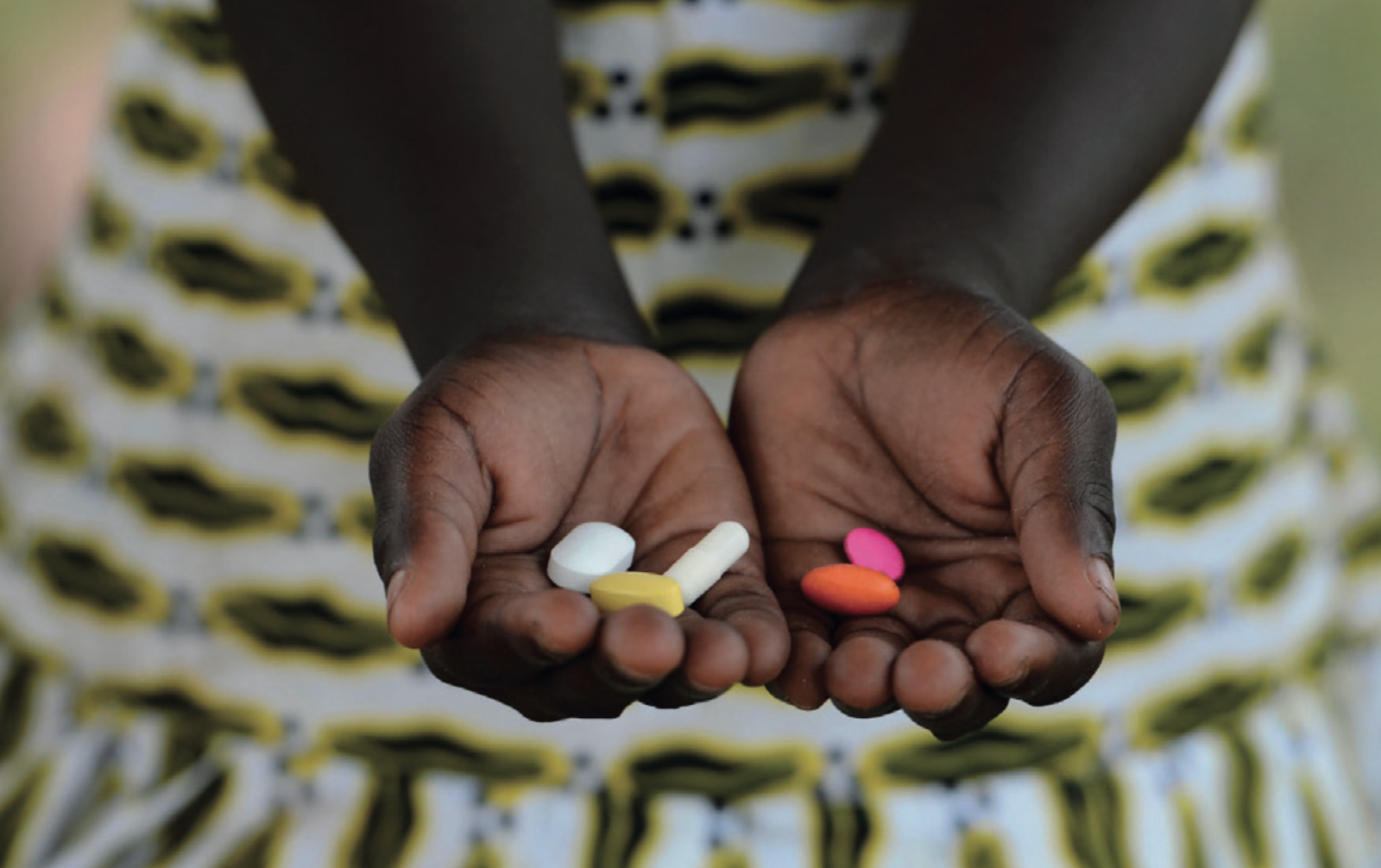
Why is it important? Collecting and disaggregating data by sex, age, and other variables can provide essential insights into the drivers of health inequities. These indicators can make the inequitable burden of antimicrobial resistance (AMR) within and between groups visible and can inform the design of interventions that address the root causes of AMR.Aggregated datasets […]

This thought-provoking webinar explores the critical, yet often overlooked, role of gender in the fight against antimicrobial resistance (AMR) in animal health systems. Hosted by the Gear Up Consortium in collaboration with the Fleming Fund, the session brings together global experts to discuss how gender norms and inequities shape exposure to AMR risks, access to […]
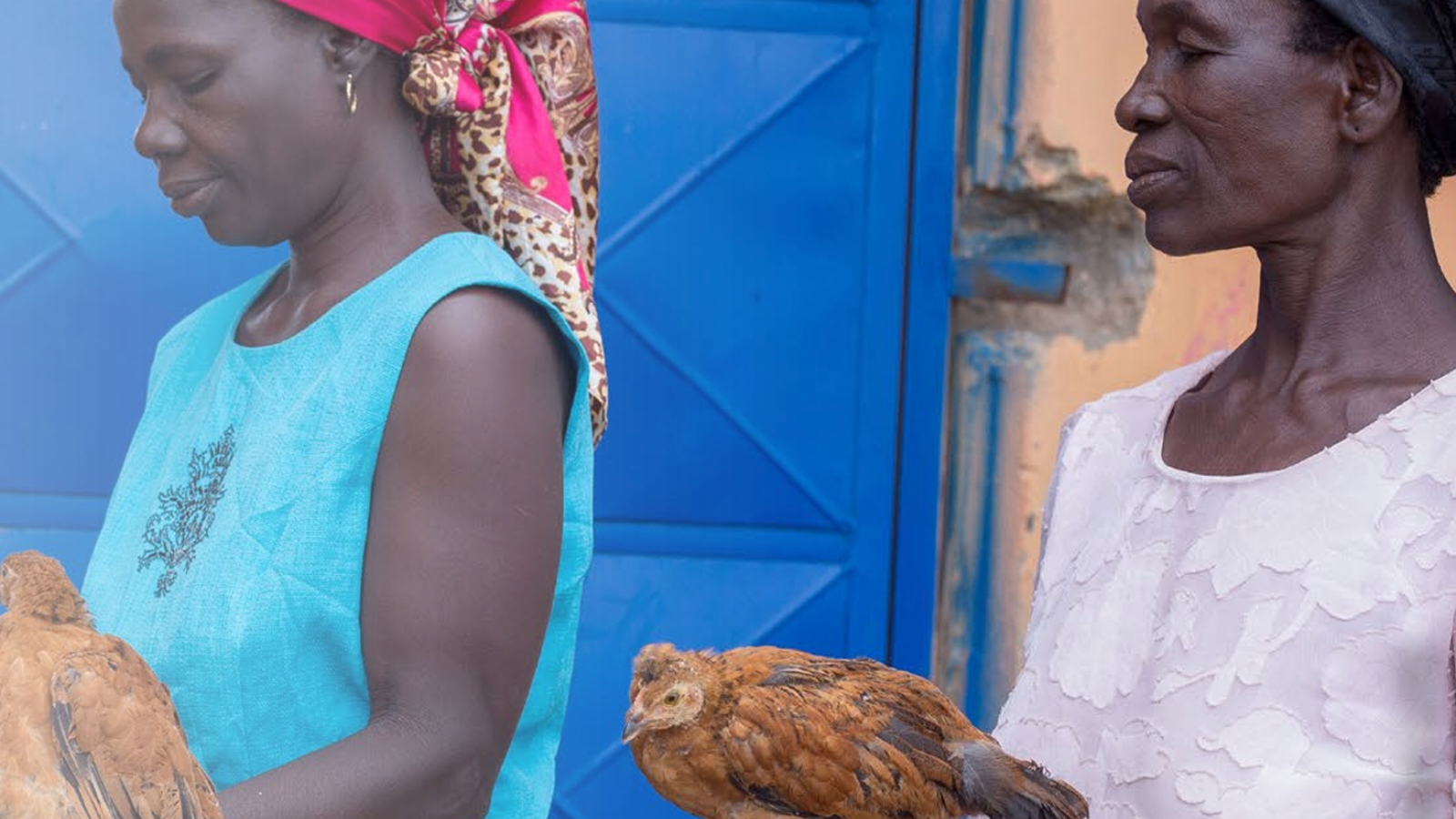
Abstract There are persistent and significant gender gaps in low- and middle-income countries (LMICs) which negatively impact productivity, food security and livelihoods. Livestock, particularly chickens, sheep and goats, are essential to sustain livelihoods and nutrition in rural areas of LMICs. They are particularly important to the livelihoods of women and their households given that women […]
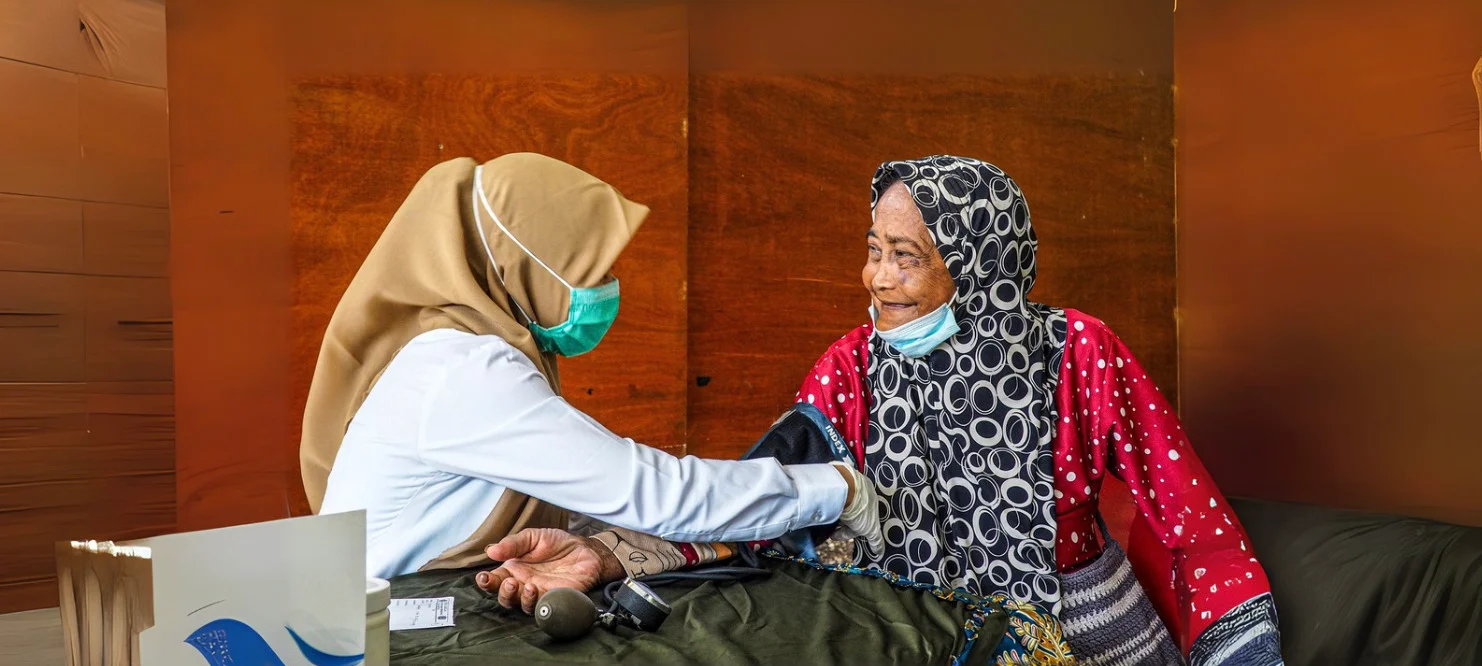
While gender plays an important role in a person’s risk of exposure and vulnerability to drug-resistant infections, few national action plans (NAPs) on AMR include gender considerations. The detrimental impacts of AMR are not evenly distributed across populations, and disparities, including those based on gender, are evident. Despite the profound implications of this gendered impact, […]