

New Lancet paper on antimicrobial resistance and urban informal settlements
By 2050, antimicrobial resistance (AMR) is predicted to have caused 40 million deaths globally. In the same timeframe, almost 70% of the global population has been projected to be living in urban areas. 90% of this urbanisation will occur in Africa and Asia, regions most burdened by AMR. Urbanisation is linked to an abundance of pathogens in […]

Reflexivity on Gender and Equity in the WHO GLASS 2025 Report
Written by Susan Okioma, Anne Ngunjiri, Jane Thiomi, Cleophas Ondieki, Rosie Steege and Katy Davis. The WHO Global Antimicrobial Resistance and Use Surveillance System (GLASS) 2025 report marks an important milestone in strengthening global antimicrobial resistance (AMR) surveillance. It reflects WHO’s increasing commitment to ensure that AMR responses are inclusive, equitable, and informed by real-world […]
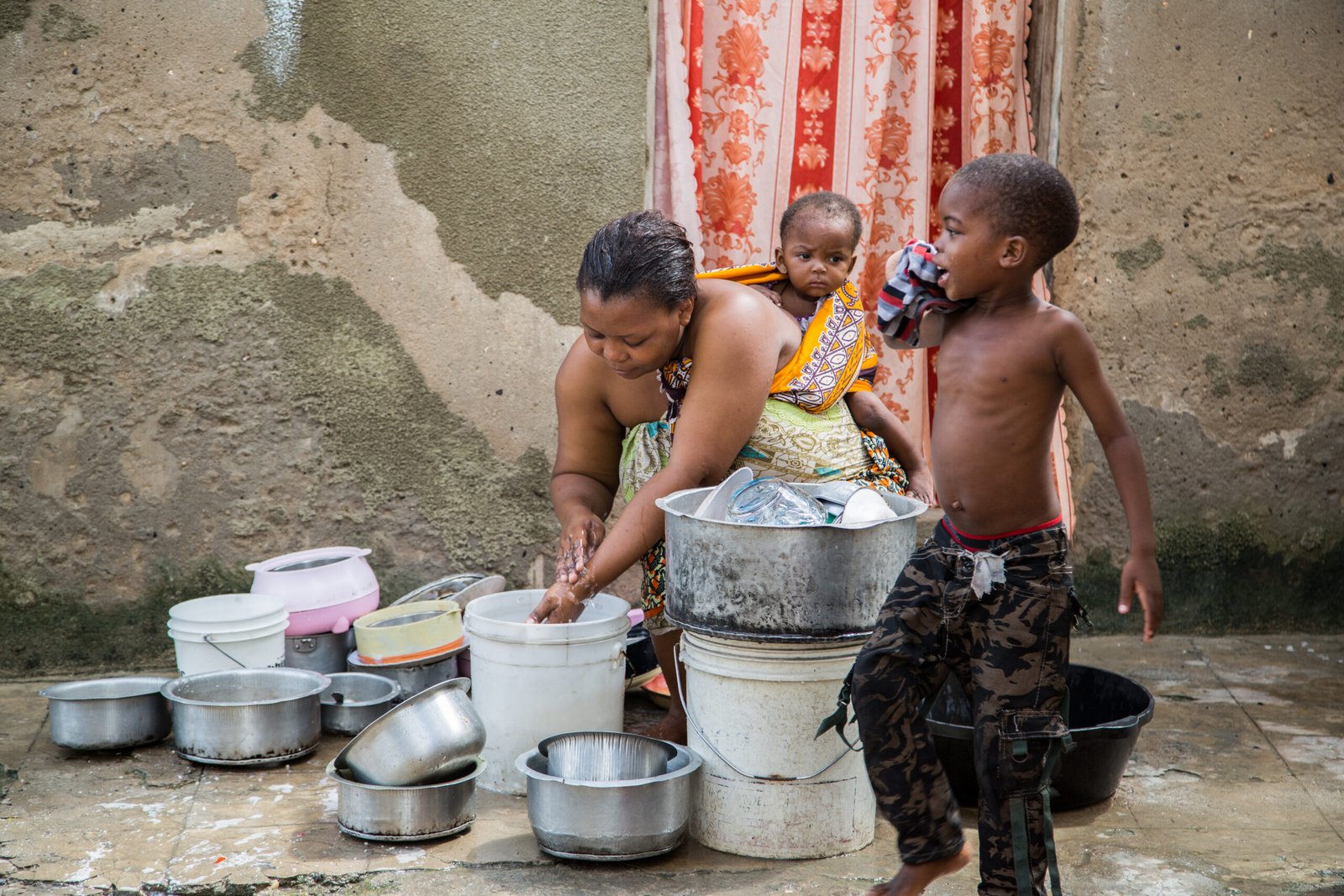
Antibiotics and childhood illness: Everyday realities of caregivers in Nairobi’s informal settlements
In this blog Sammy Gachigua and Anne Ngunjiri describe both the crucial role of caregivers in acting on AMR and the realities of life in informal settlements which make medicine use fraught. Walking through Nairobi’s informal settlements, you cannot miss the resilience of families who raise young children in the midst of immense challenges. Mothers […]
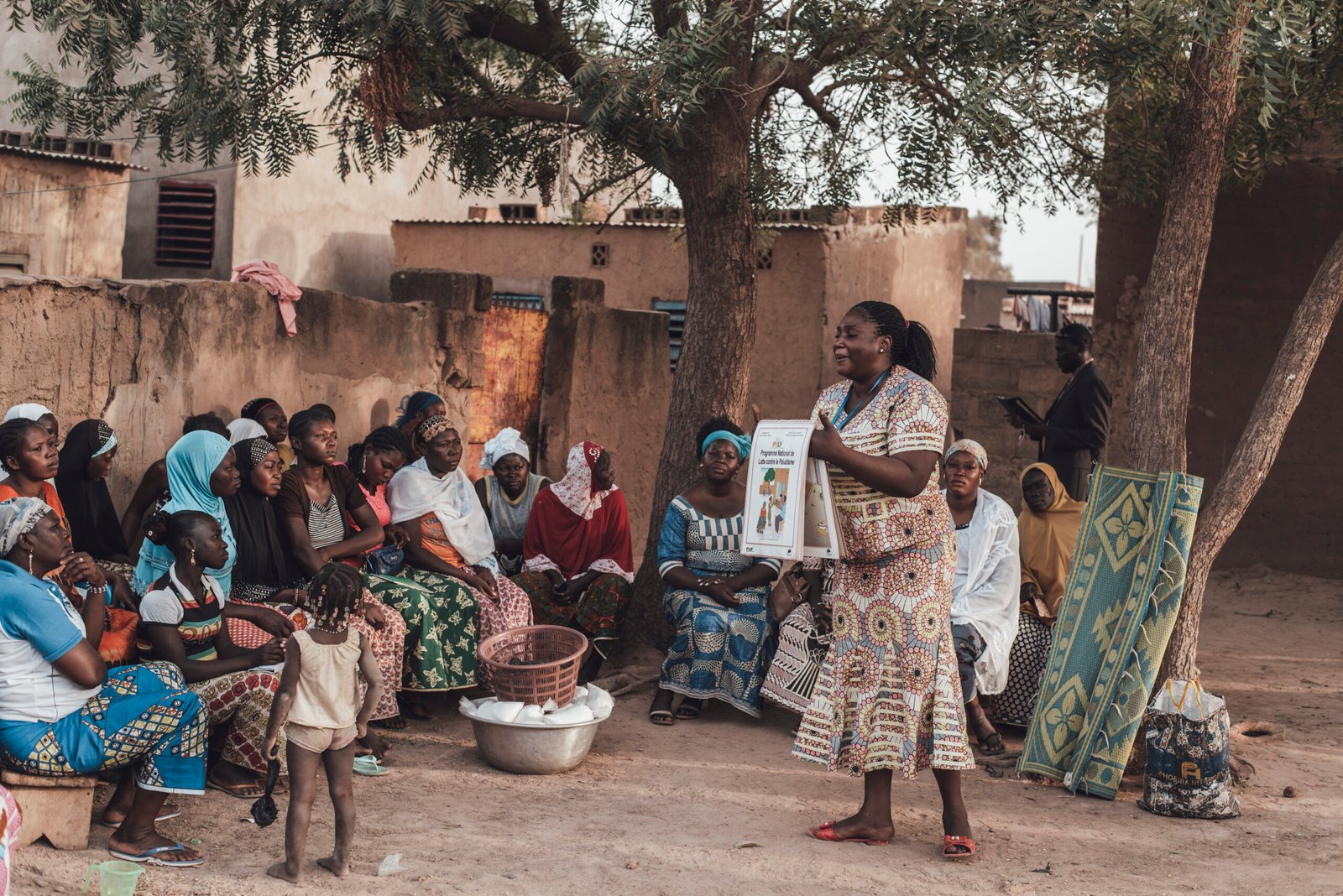
The unrecognised role of Community Health Promoters in the AMR response in informal settlements
This blog by Sammy Gachigua and Anne Ngunjiri explores how community health workers play a key role in health information on AMR and connecting very vulnerable communities to the health system by creating trusting relationships. It suggests ways in which this role could be formalised and supported by the state. When you step into Nairobi’s informal […]