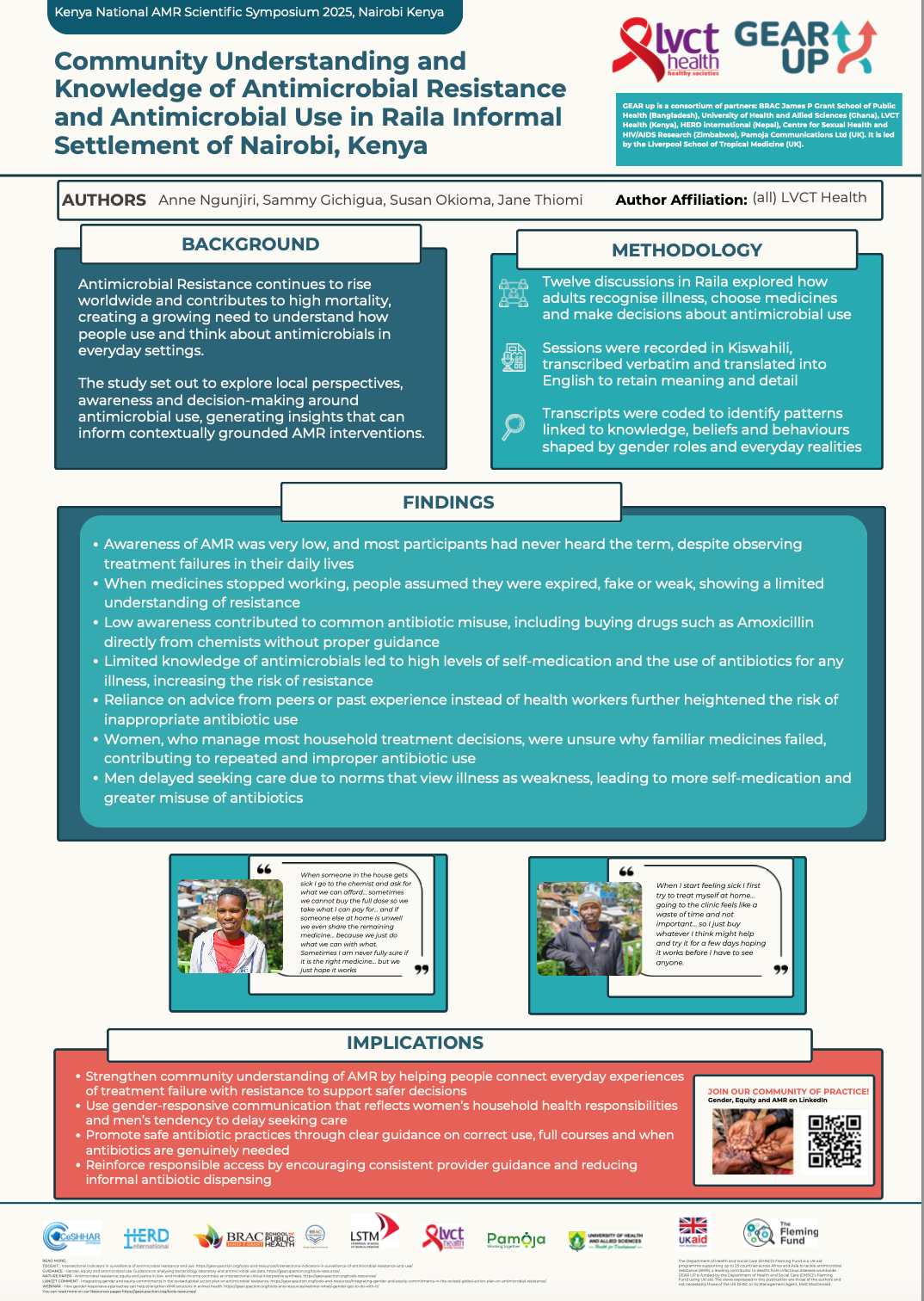
A short, community-grounded snapshot of how people in Raila informal settlement understand antimicrobial resistance (AMR) and use antibiotics in everyday life. Drawing on 12 Kiswahili discussion groups, it highlights very low awareness of AMR, common misunderstandings when treatment fails (e.g., medicines seen as “fake” or “weak”), and widespread self-medication and over-the-counter antibiotic purchasing. It also […]
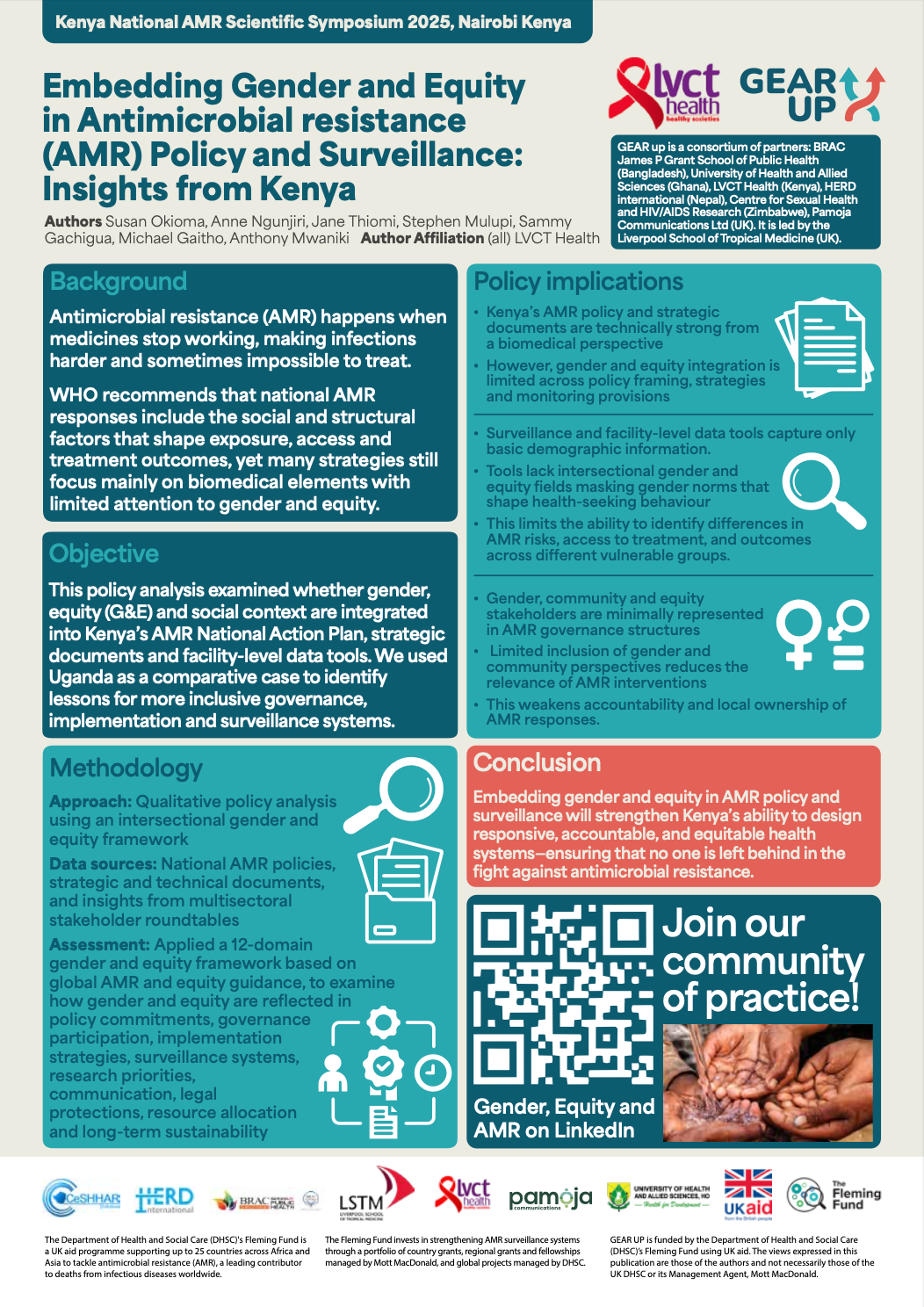
A policy analysis exploring how well gender, equity, and social context are integrated into Kenya’s AMR National Action Plan, strategic documents, and facility-level surveillance tools – using an intersectional gender and equity framework and drawing lessons from Uganda as a comparative case. The resource finds that while Kenya’s AMR strategy is technically strong biomedically, gender […]

Abstract Global inequities in the burden of antimicrobial resistance (AMR), between and within populations, are heavily influenced by the social and structural determinants of health. Yet, AMR action has had limited attention to equity, and social approaches to AMR haven’t routinely gone beyond an exploration of knowledge and awareness around ABU. This represents a missed […]
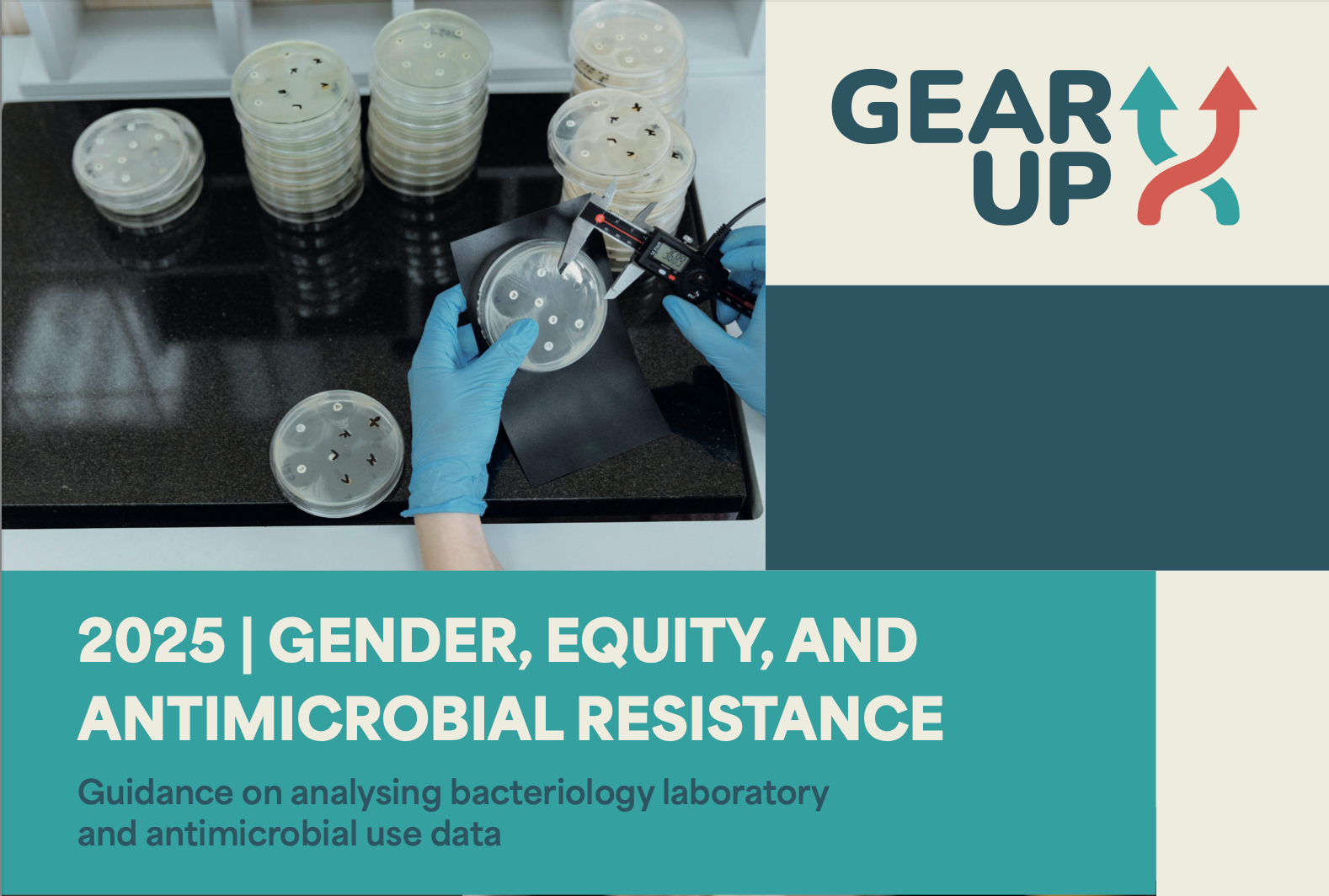
Antimicrobial resistance (AMR) is a major global public health problem that makes antimicrobial drugs less effective and leads to higher illness, death, and healthcare costs. One of the important components of addressing AMR is systematic collection, analysis, and interpretation of AMR and antimicrobial use (AMU) data to inform evidence-based interventions. However, current AMR and AMU […]
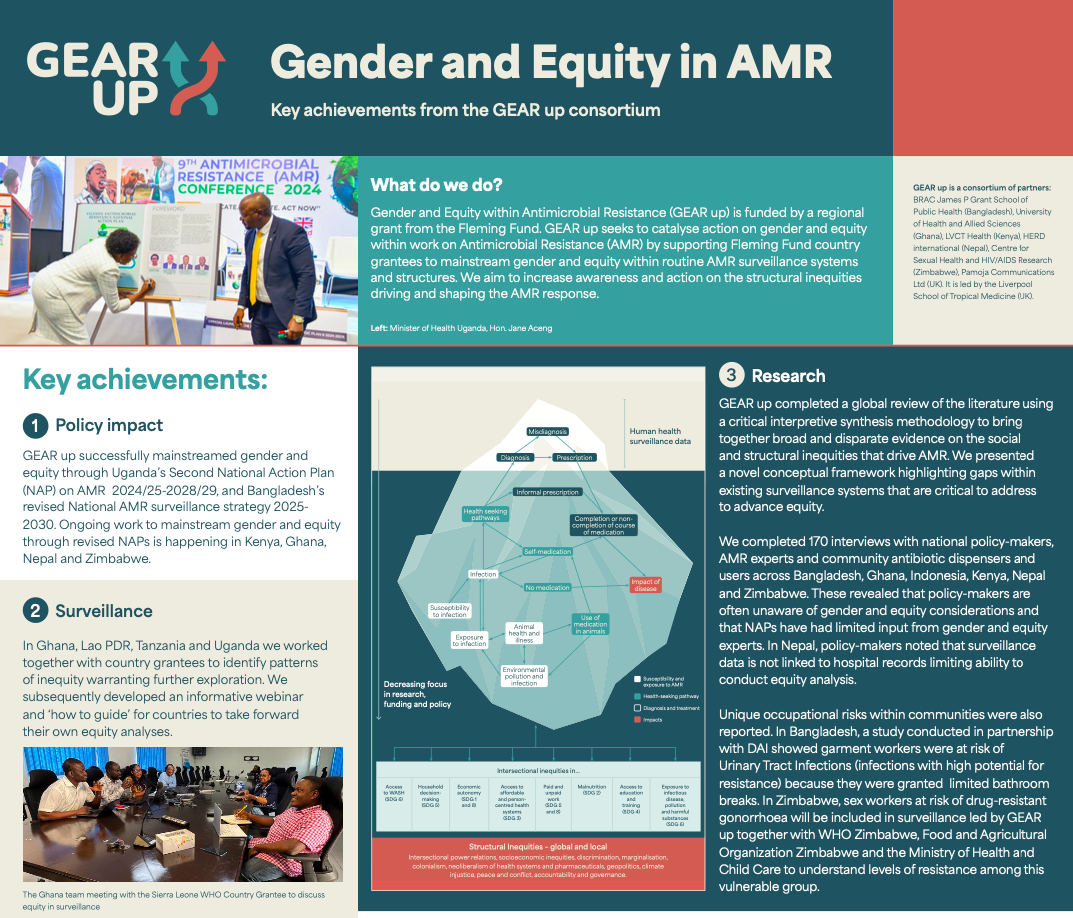
This poster was prepared for two events; the Fleming Fund Learning Summit and Leaving no one behind in AMR research, policy and practice: Integrating gender and equity in AMR One Health Solutions which was organised by the FAO.
ABSTRACT Antimicrobial resistance (AMR) is a growing global health threat requiring a strong focus on equity. This scoping review aimed to document the evidence to outline recommendations for gender-responsive AMR policies, programmes, and interventions aligned with the World Health Organization’s People-centered approach to addressing AMR in the human health sector. We collected academic and grey literature published […]
Why is it important? Collecting and disaggregating data by sex, age, and other variables can provide essential insights into the drivers of health inequities. These indicators can make the inequitable burden of antimicrobial resistance (AMR) within and between groups visible and can inform the design of interventions that address the root causes of AMR.Aggregated datasets […]
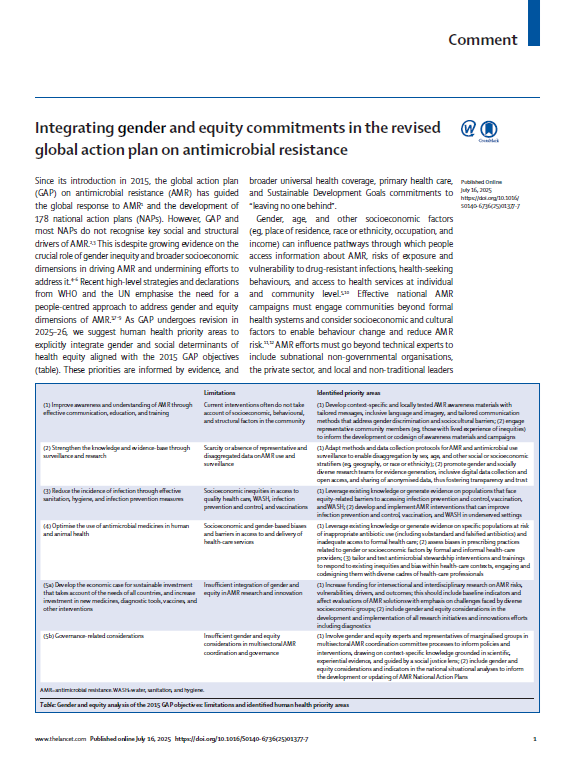
Since its introduction in 2015, the global action plan (GAP) on antimicrobial resistance (AMR) has guided the global response to AMR and the development of 178 national action plans (NAPs). However, GAP and most NAPs do not recognise key social and structuraldrivers of AMR. This is despite growing evidence on the crucial role of gender […]

This thought-provoking webinar explores the critical, yet often overlooked, role of gender in the fight against antimicrobial resistance (AMR) in animal health systems. Hosted by the Gear Up Consortium in collaboration with the Fleming Fund, the session brings together global experts to discuss how gender norms and inequities shape exposure to AMR risks, access to […]
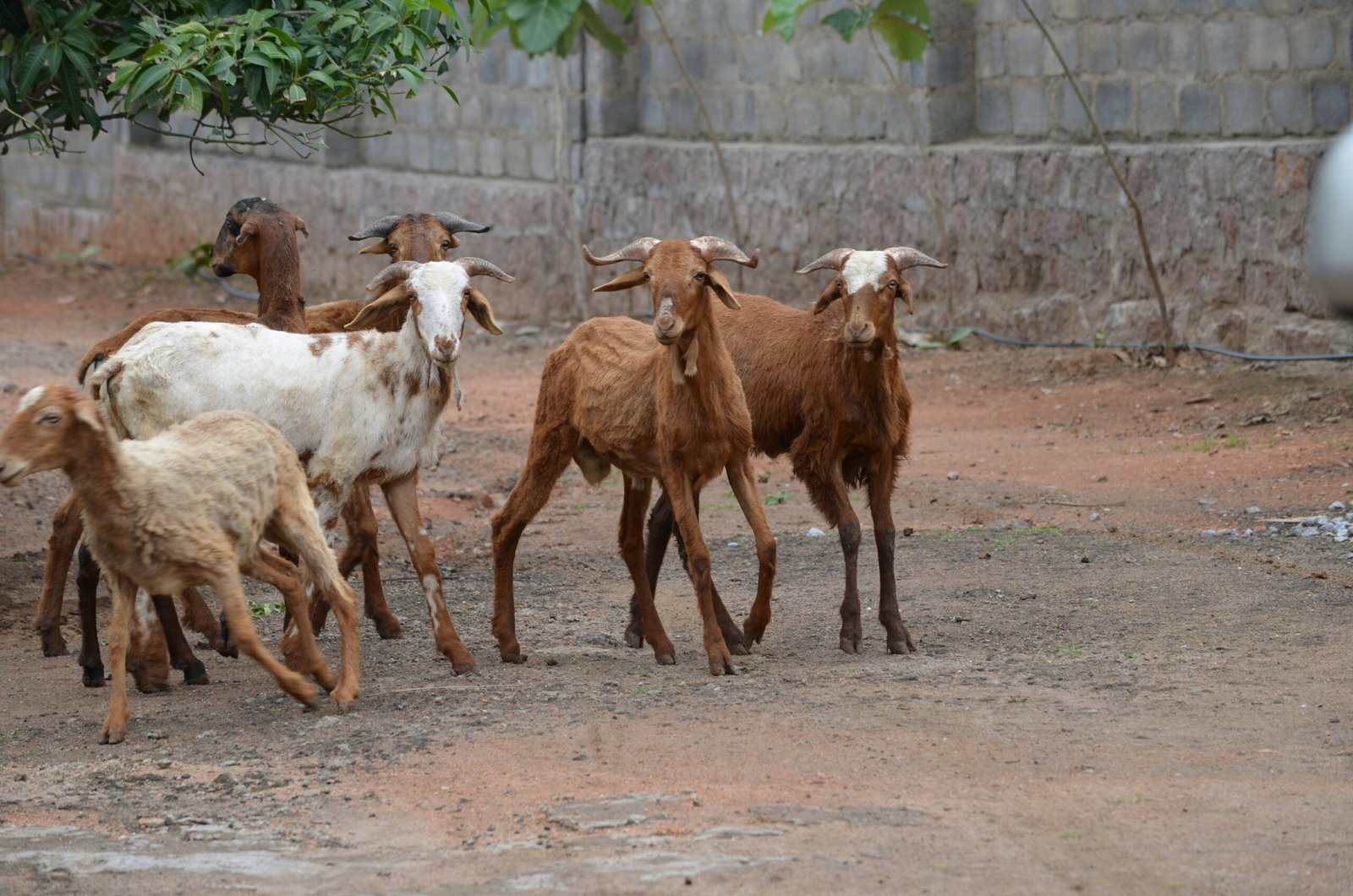
Abstract Context Owning livestock can support women’s empowerment and progress toward gender-equitable agri-food systems. Gender inequality, however, can reduce women’s ownership of livestock and access to animal vaccines. Gender accommodative approaches (GAAs), and more recently gender transformative approaches (GTAs), are increasingly implemented in development interventions. However, their impact on women’s empowerment has not been systematically tested. Here, we […]