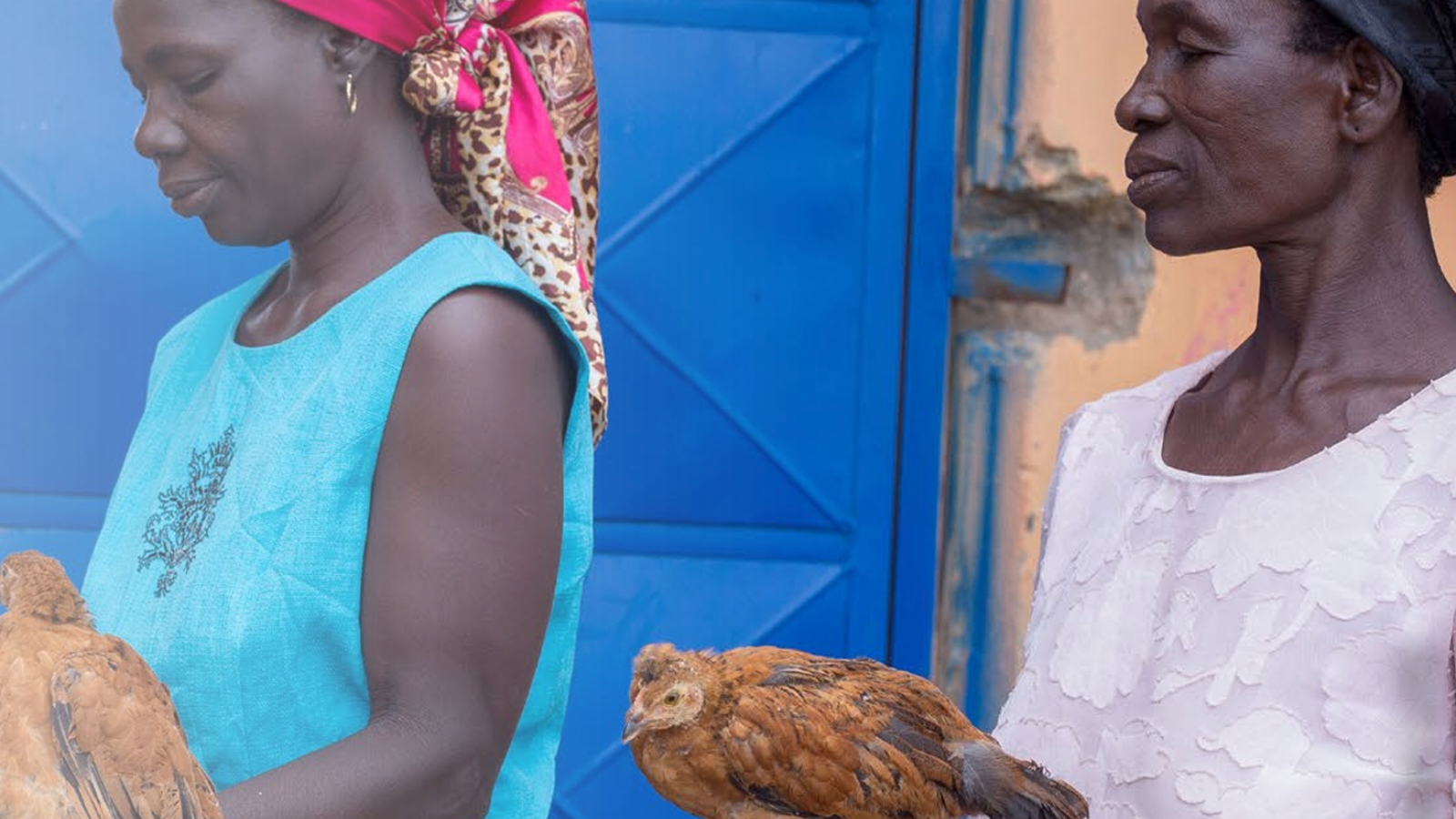
Abstract There are persistent and significant gender gaps in low- and middle-income countries (LMICs) which negatively impact productivity, food security and livelihoods. Livestock, particularly chickens, sheep and goats, are essential to sustain livelihoods and nutrition in rural areas of LMICs. They are particularly important to the livelihoods of women and their households given that women […]
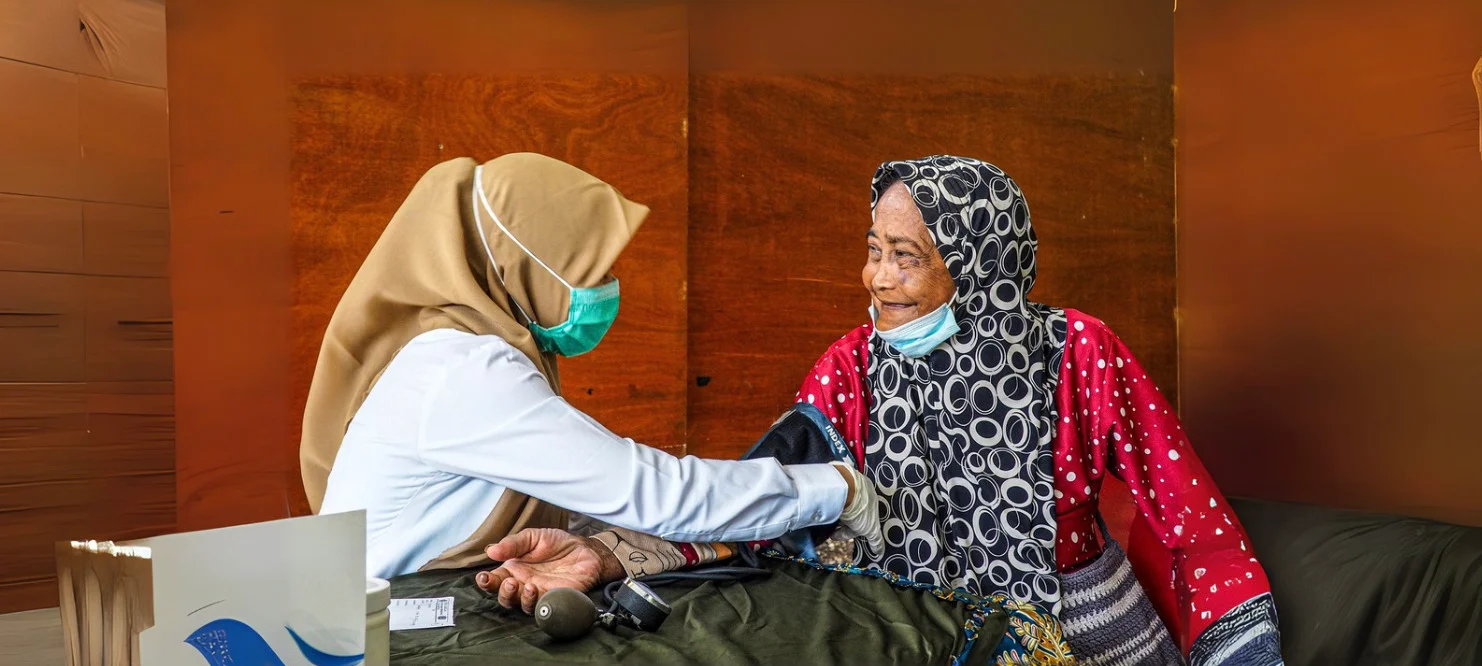
While gender plays an important role in a person’s risk of exposure and vulnerability to drug-resistant infections, few national action plans (NAPs) on AMR include gender considerations. The detrimental impacts of AMR are not evenly distributed across populations, and disparities, including those based on gender, are evident. Despite the profound implications of this gendered impact, […]
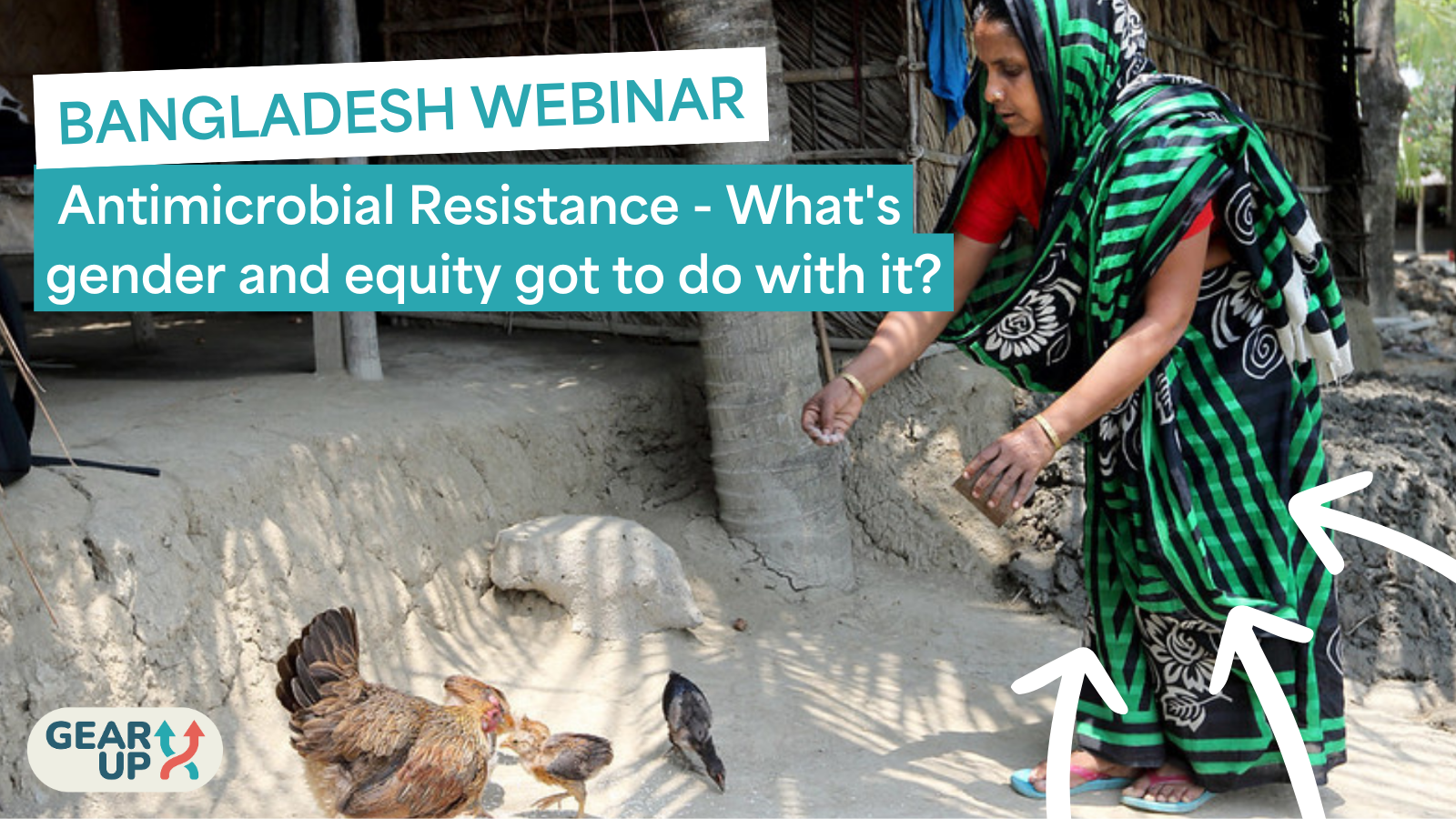
A GEAR up webinar on the importance of gender and equity in the study of antimicrobial resistance, in the context of Bangladesh. Hosted by Syeda Tahmina Ahmed from the James P Grant School of Public Health at BRAC University. With presentations from Dr Rosie Steege and Dr Katy Davis from Liverpool School of Tropical Medicine.
Antimicrobial Resistance is recognised as a major threat to global health security. The WHO Southeast Asia region is dubbed a “global hub for AMR emergence”, as it runs the highest risk for AMR emergence among all WHO regions in Asia. Hence, there is a need for Asia-centric, collaborative AMR research aligned with the true needs […]
This article highlights the lack of integration of gender and equity perspectives in antimicrobial resistance (AMR) research, particularly within the One Health framework that spans human, animal, and environmental health. Despite evidence that gender norms and roles shape behaviours related to antibiotic use and disease transmission, most AMR studies have remained biomedical, overlooking important social […]
Livestock are vital to the health and economic stability of communities worldwide. However, infectious diseases threaten both animal and human health due to losses in livestock, decreased production, and transmission of zoonotic diseases. To manage and mitigate these risks, access to livestock vaccines is critical. This is often gendered, with societal and cultural norms influencing […]
Antimicrobial resistance (AMR) is one of the biggest public health challenges of our time. National Action Plans have failed so far to effectively address socioeconomic drivers of AMR, including the animal and environmental health dimensions of One Health. The objective of this paper was to map what socioeconomic drivers of AMR exist in the literature […]
Antimicrobial resistance (AMR) poses a critical public health threat, with gendered implications that are often overlooked. Key drivers of bacterial AMR include the misuse of antibiotics, inadequate water, sanitation and hygiene infrastructure and poor infection control practices. Persistent gender discrimination exacerbates these issues, resulting in disparities in healthcare access and outcomes. This review explores how biological, sociocultural and behavioural factors contribute to the differential incidence of AMR in women.
National action plans on antimicrobial resistance (AMR) often overlook the critical intersection of gender, despite evidence that exposure and susceptibility to infection, health-seeking behaviours, as well as antimicrobial prescribing and use patterns are all influenced by gender. This publication provides a summary of the evidence on AMR and gender and proposes 20 recommendations for policy-makers […]

A comprehensive understanding of the public health burden imposed by antimicrobial resistance (AMR) and the development of solutions to address it are only attainable when considering all factors that impact its emergence, transmission, and control. Gender is one such factor. Read the full blog: Women and antimicrobial resisitance featured on One Health Trust in 2023.