This toolkit aims to strengthen the capacity of researchers working on infectious diseases of poverty by incorporating an intersectional gender approach. The objectives of this document are to:1) strengthen the research capacity of disease-affected countries in intersectional gender approaches;2) understand and address barriers to effective and quality implementation of health interventions oriented to prevent and […]
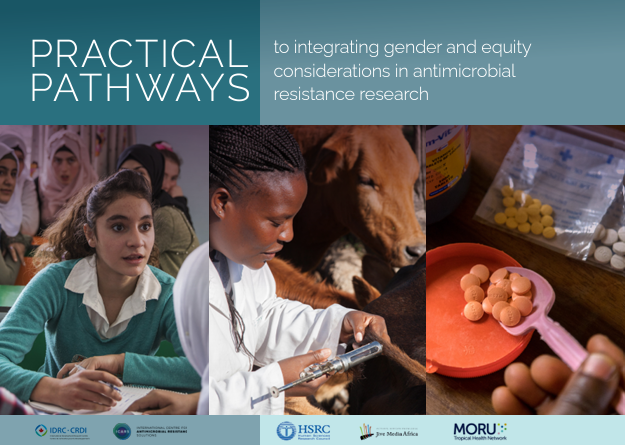
‘Practical pathways to integrating gender and equity considerations in antimicrobial resistance research’ synthesises evidence on AMR, gender, and equity from both human and animal health perspectives. Functioning as an accessible resource, it was developed in collaboration with AMR researchers and global experts, drawing on practical examples and real-world experiences to ensure maximum relevance and user-friendliness. The […]
This working paper aims to assist countries to take the first step towards better considering gender and equity issues in their efforts to tackle AMR, to inform the implementation of strategies in national action plans and contribute to improved reach and effectiveness of AMR efforts in the longer term. Unless we think about how AMR […]
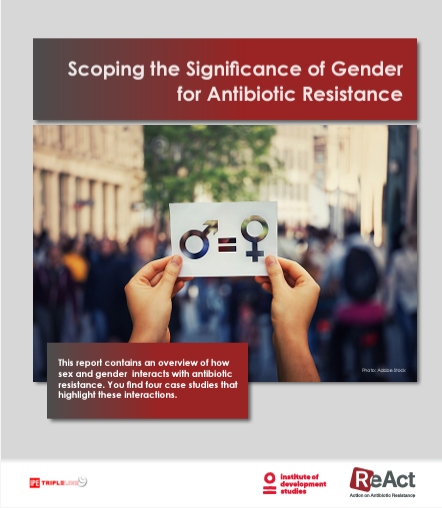
This report explores the ways in which sex and gender interact with antibiotic resistance and makes the case for all actors engaged in addressing antibiotic resistance to undertake further work in this area. Given the current gap in data on both sex and gender in relation to antibiotic resistance, this is a necessary challenge which […]
One of the key drivers of antibiotic resistance (ABR) and drug-resistant bacterial infections is the misuse and overuse of antibiotics in human populations. Infection management and antibiotic decision-making are multifactorial, complex processes influenced by context and involving many actors. Social constructs including race, ethnicity, gender identity and cultural and religious practices as well as migration […]
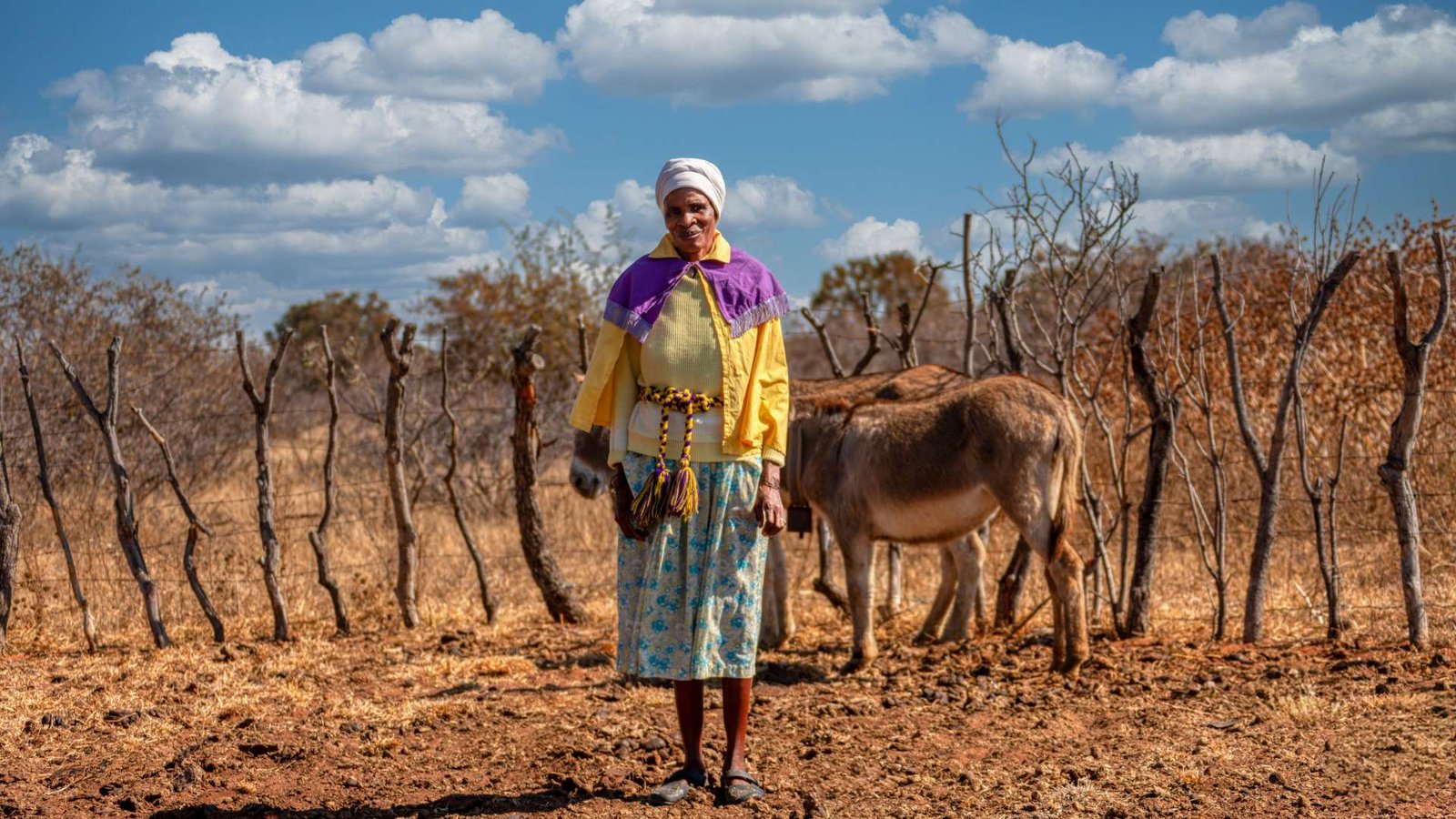
Despite a gendered approach being increasingly applied across global health challenges, this has been a notable oversight in antimicrobial resistance (AMR) research. Failing to consider the complexity of human behaviours and roles in healthcare, animal production, and environmental settings compromises programmatic effectiveness and sustainability, while risking entrenching or widening existing social disparities. Research demonstrates how […]
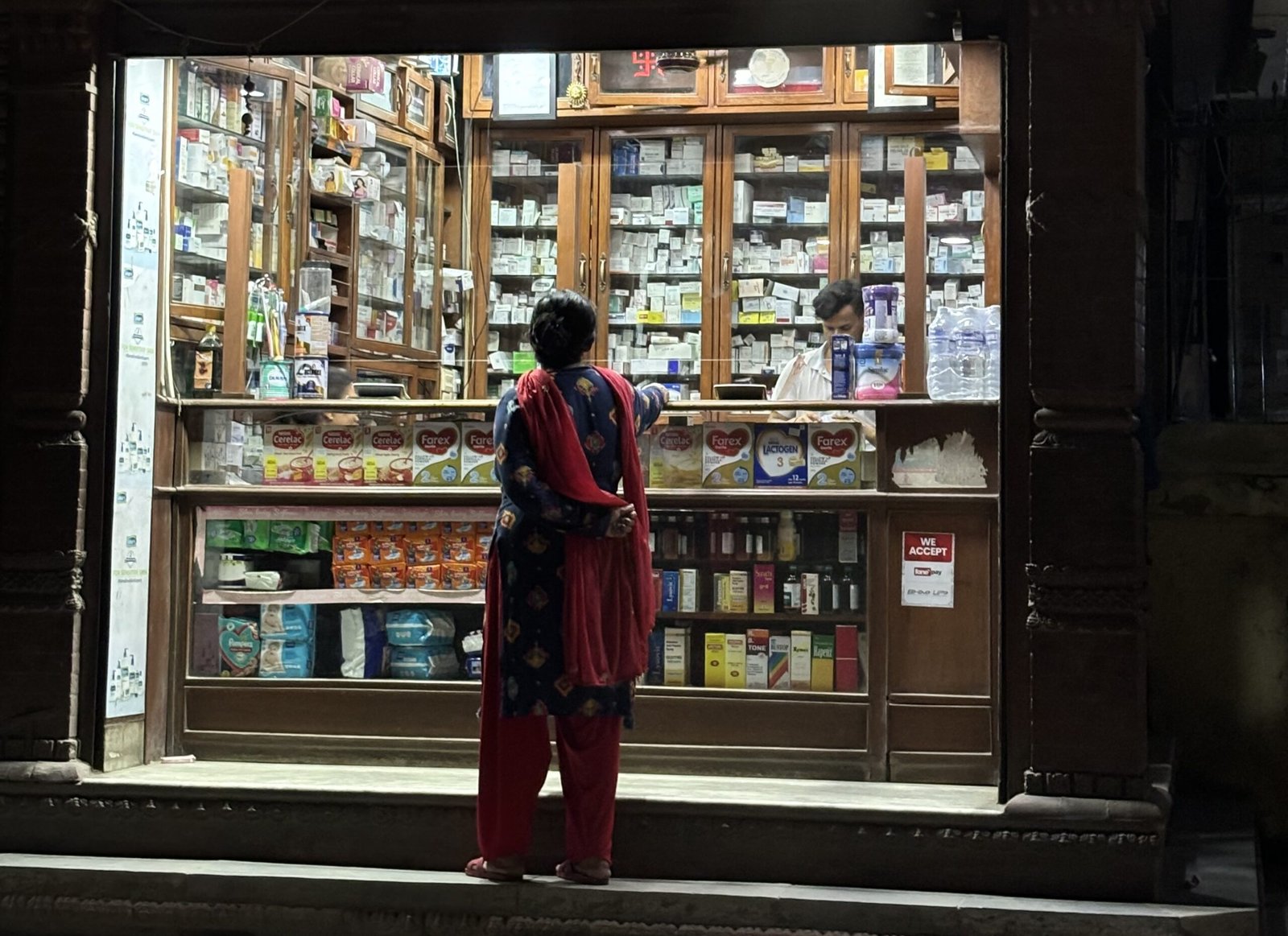
A poster taken to the 8th World One Health Congress in Cape Town by Katy Davis, Webster Mahvu and Rosie Steege, describing results from the GEAR up consortium systematic review on gender and equity in antimicrobial resistance in lower and middle income countries. We conducted a systematic scoping review of the state of knowledge on […]
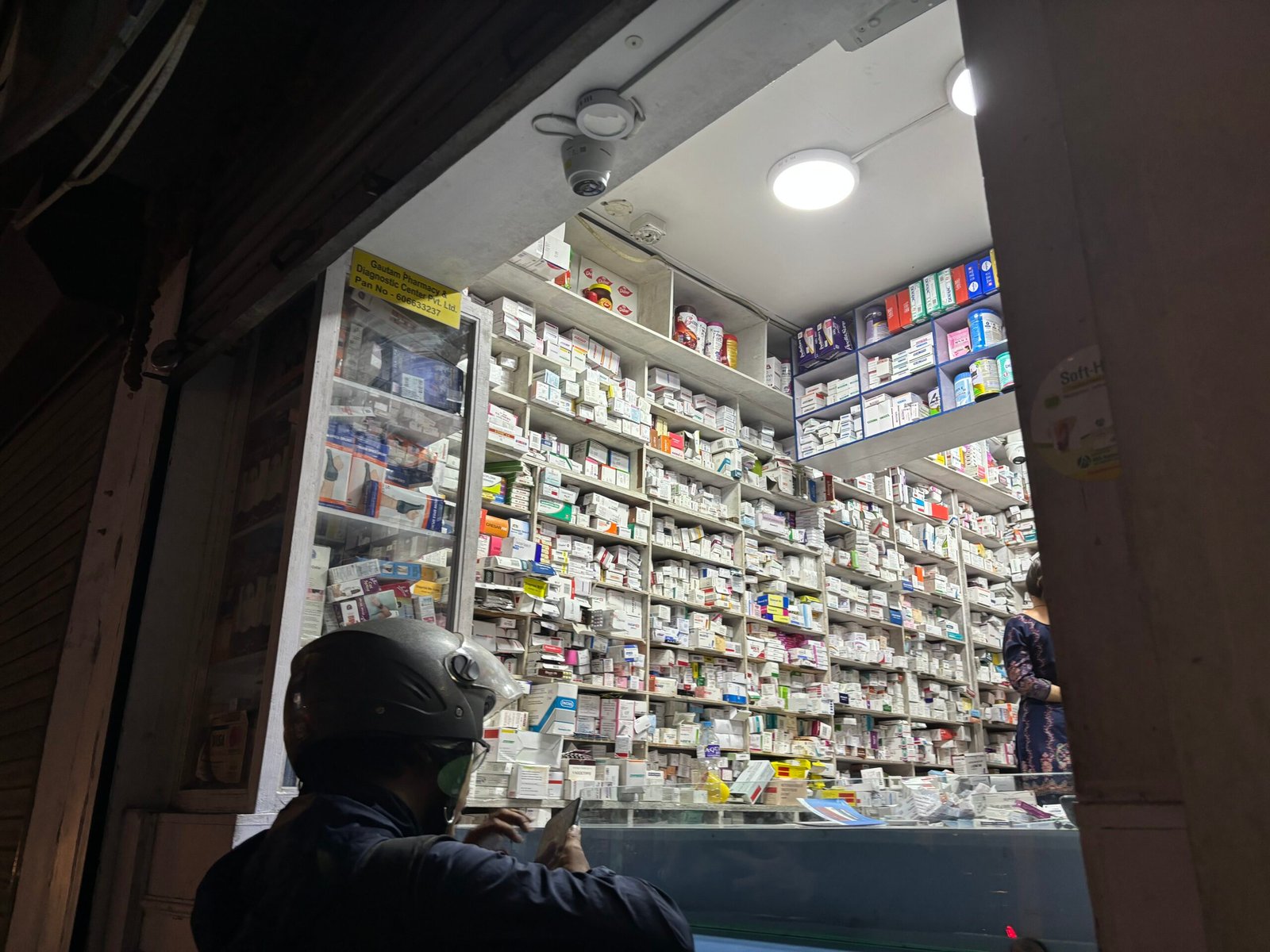
Collecting indicators that relate to multiple axes of inequity (including age, disability status, ethnicity and class for example) can then facilitate an intersectional approach, which explores how different social inequities and power relations interact dynamically. This may require the use of gender frameworks for data analysis and involve qualitative and mixed methods research that seeks […]
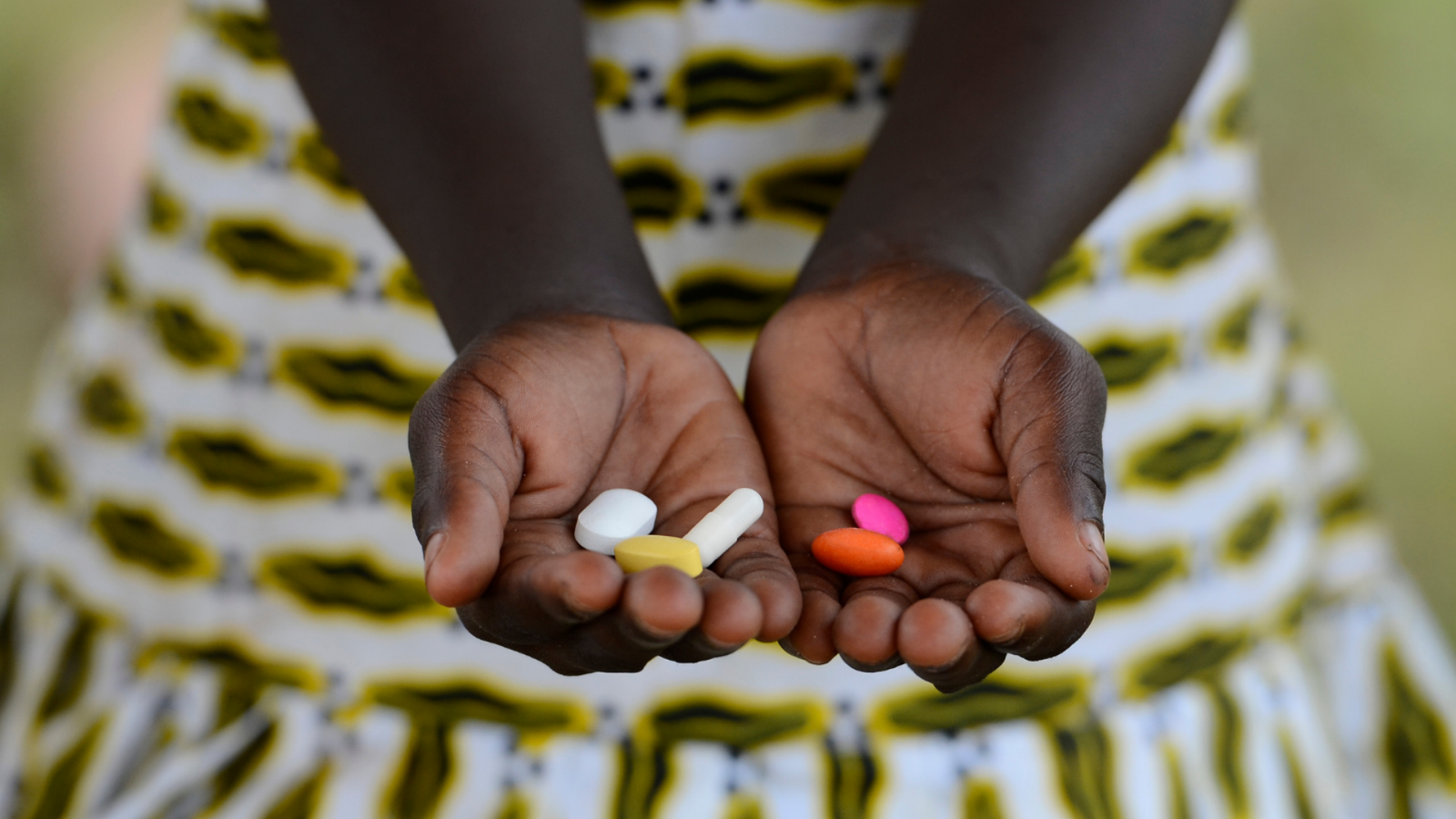
Different sexes and genders experience differentiated risks of acquiring infections, including drug-resistant infections, and of becoming ill. Different genders also have different health-seeking behaviours that shape their likelihood of having access to and appropriately using and administering antimicrobials. Consequently, they are distinctly affected by antimicrobial resistance (AMR). As such, it is crucial to incorporate perspectives […]
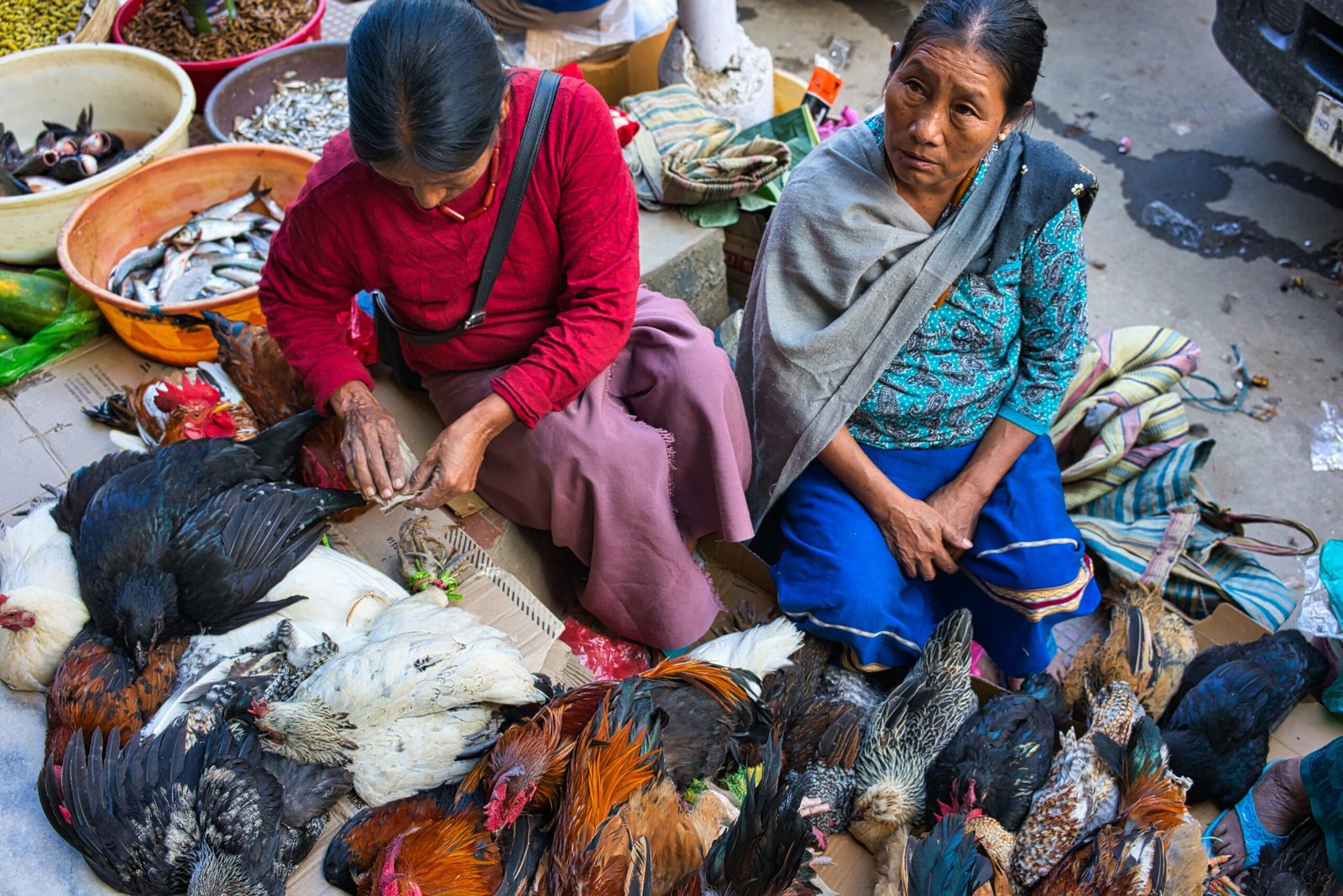
National action plans on antimicrobial resistance (AMR) often overlook the critical intersection of gender, despite evidence that exposure and susceptibility to infection, health-seeking behaviours, as well as antimicrobial prescribing and use patterns are all influenced by gender. This publication from WHO provides a summary of the evidence on AMR and gender and proposes 20 recommendations […]