

There is a lack of published evidence on the equity dimensions of AMR in Sierra Leone and further research into the social drivers of AMR within Sierra Leone is needed. A recent analysis in Sierra Leone noted that AMR “disproportionately affects women and children,” undermining progress in maternal health and child survival. Water and sanitation infrastructure […]
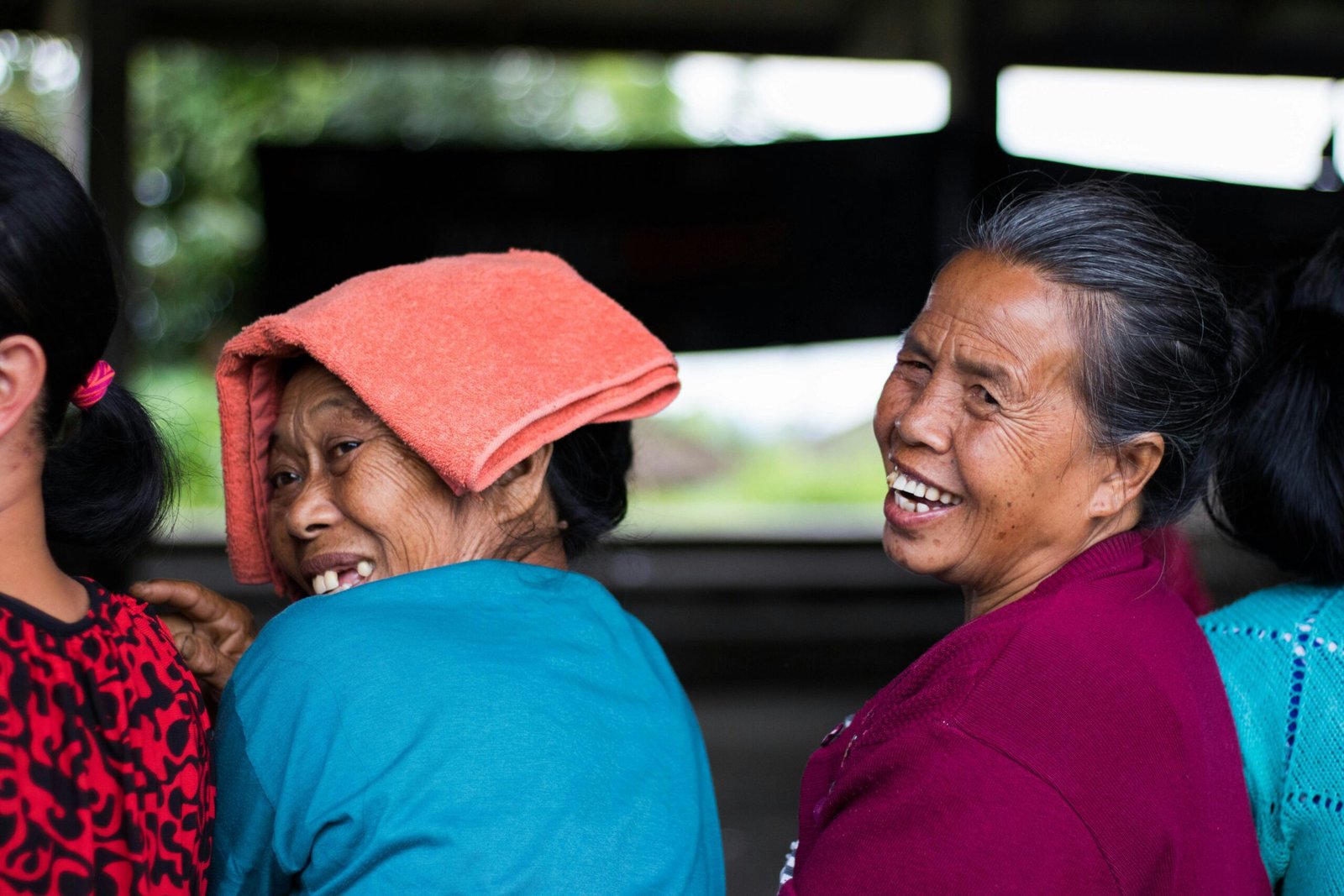
Antimicrobial Resistance (AMR) poses a critical public health problem globally, including in Indonesia. Gender and equity issues are known to drive risk of exposure to AMR and create barriers to diagnosis and recommended use of antimicrobials. However, gender and equity considerations remain marginal within existing policy and implementation frameworks at the global level. Through interviews […]
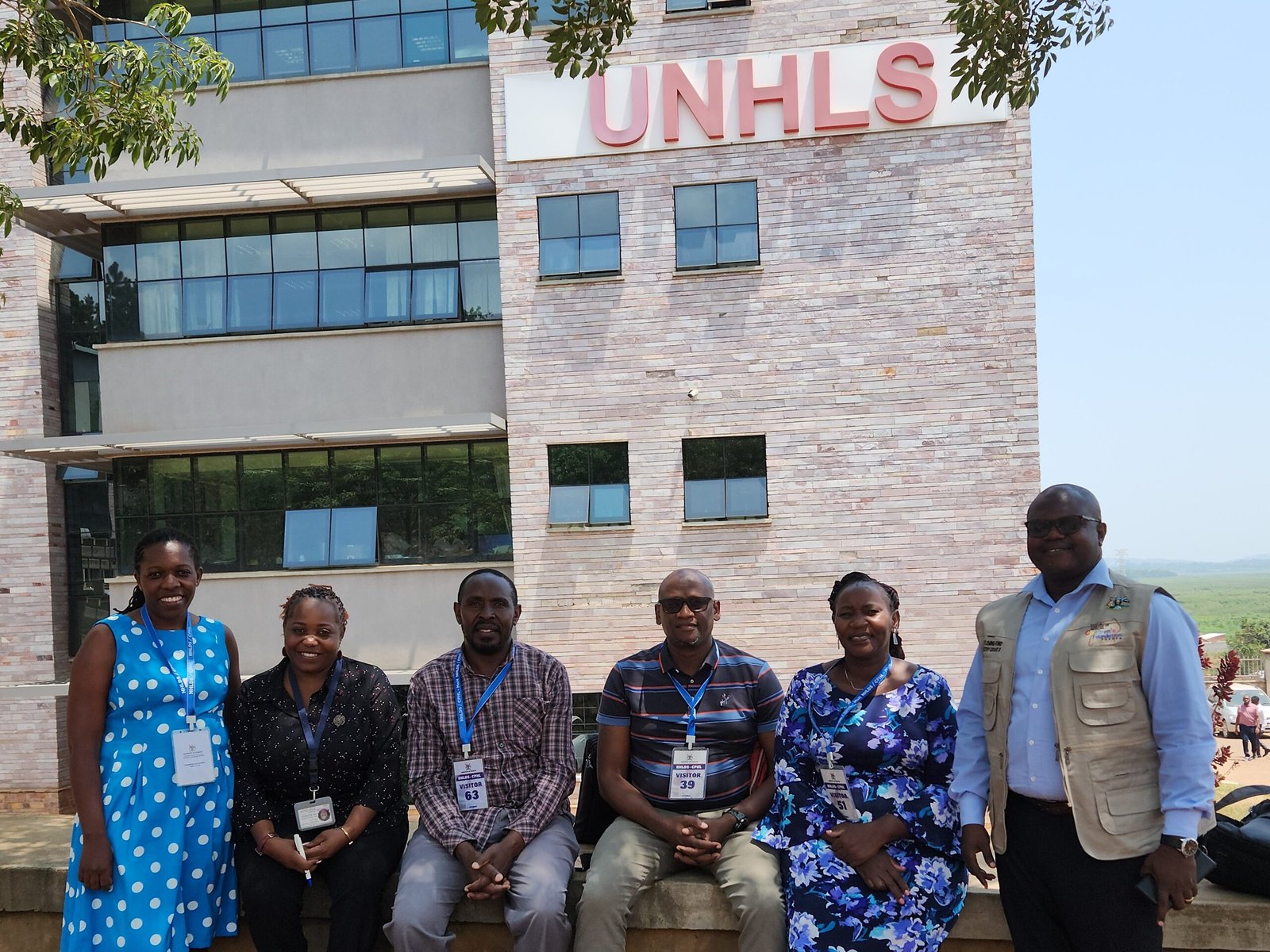
Antimicrobial resistance (AMR) poses a major and growing threat to public health in Uganda, with significant implications across human, animal, and environmental sectors. While Uganda made notable progress in aligning their AMR strategies with global frameworks such as the WHO Global Action Plan and Global Antimicrobial Resistance and Use Surveillance System (GLASS), the integration of […]
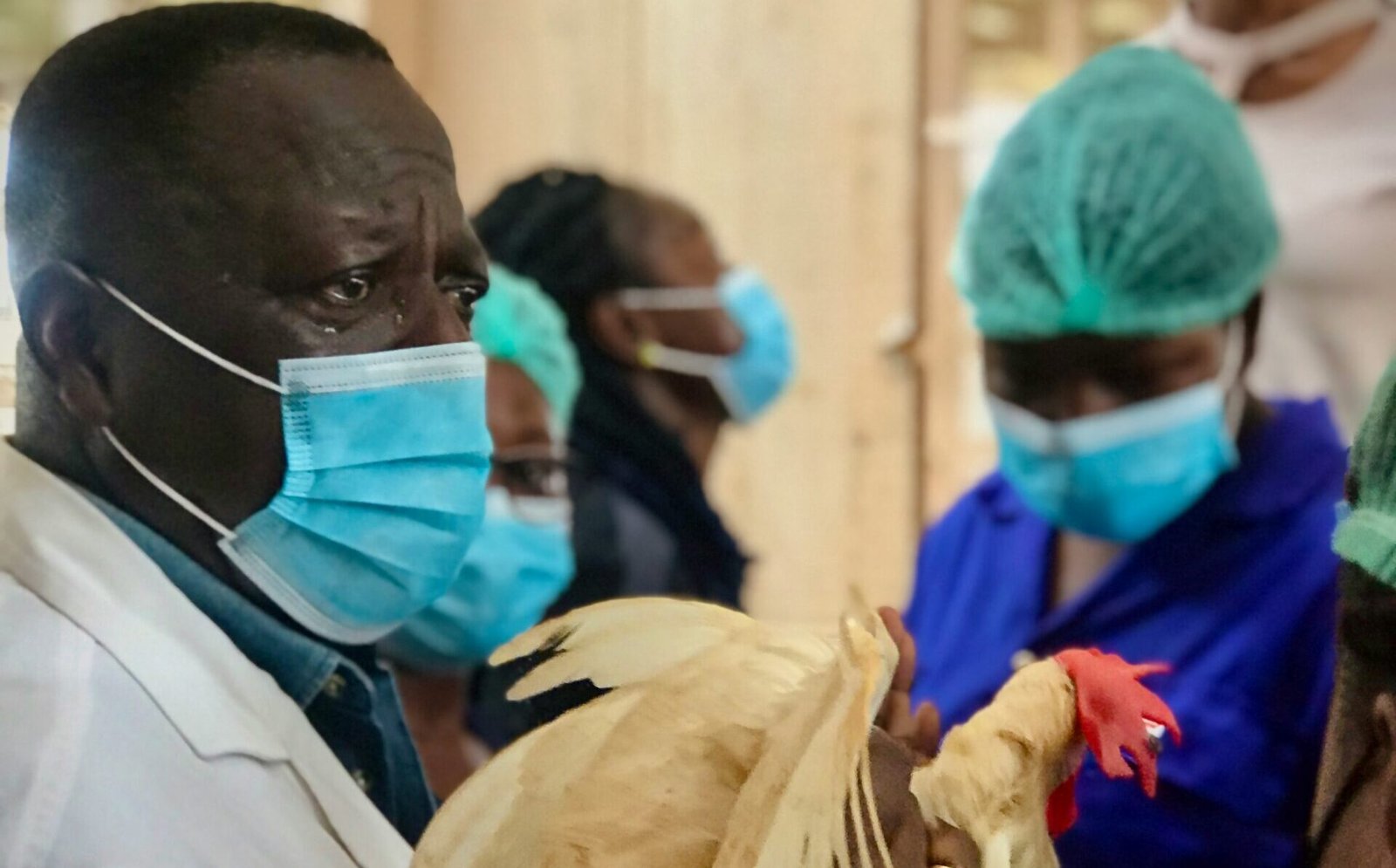
In this short leaflet we summarise the main outputs from GEAR up’s work on antimicrobial resistance. These include webinar recordings, how-to guides, briefs and case studies.
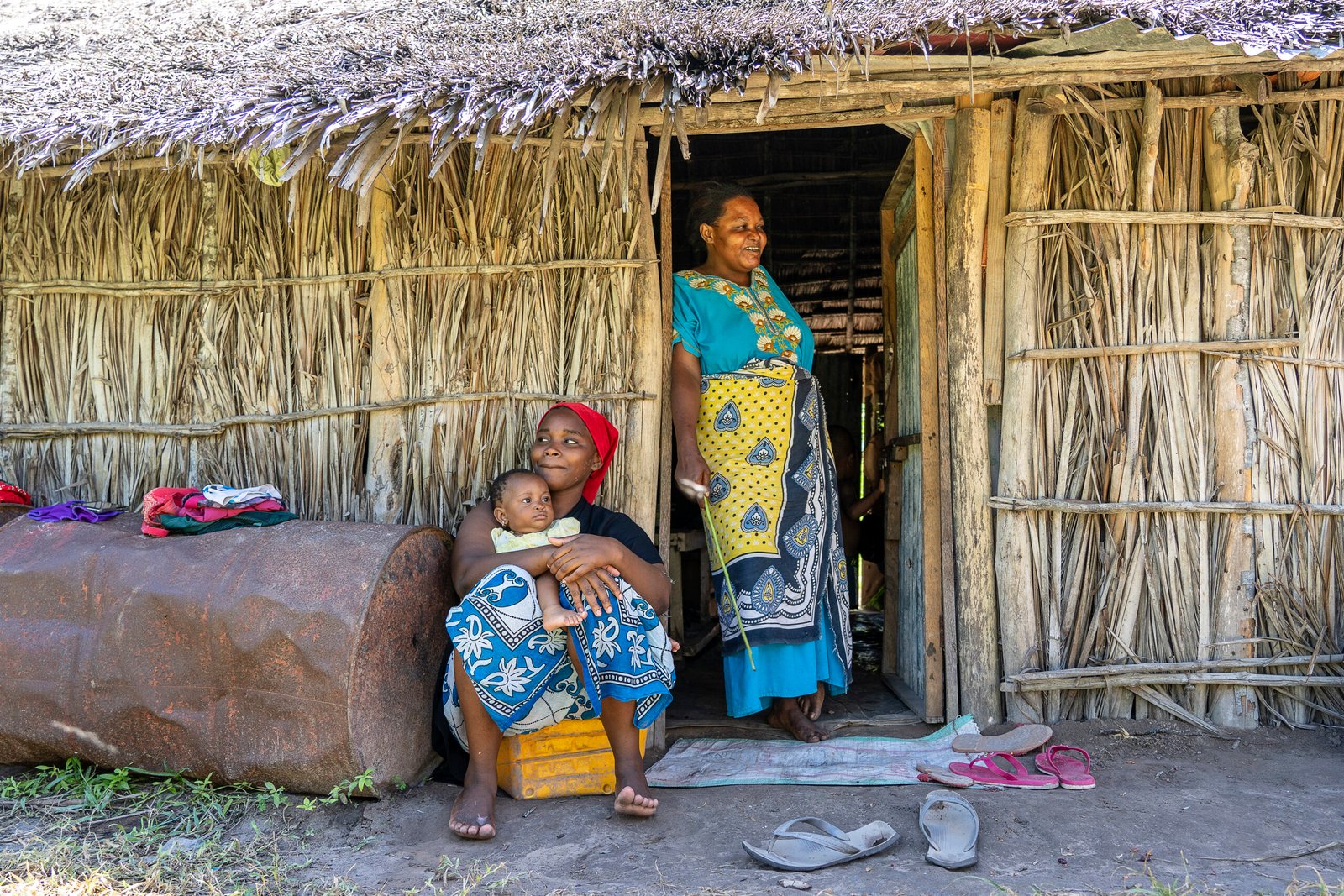
AMR and antimicrobial use surveillance data is routinely collected across many countries, but sex, age, and other social stratifiers are rarely analysed or reported. This case study describes how GEAR Up worked with country partners in Lao PDR, Ghana, Uganda, and Tanzania to apply an equity lens to existing AMR and AMU surveillance data, and […]
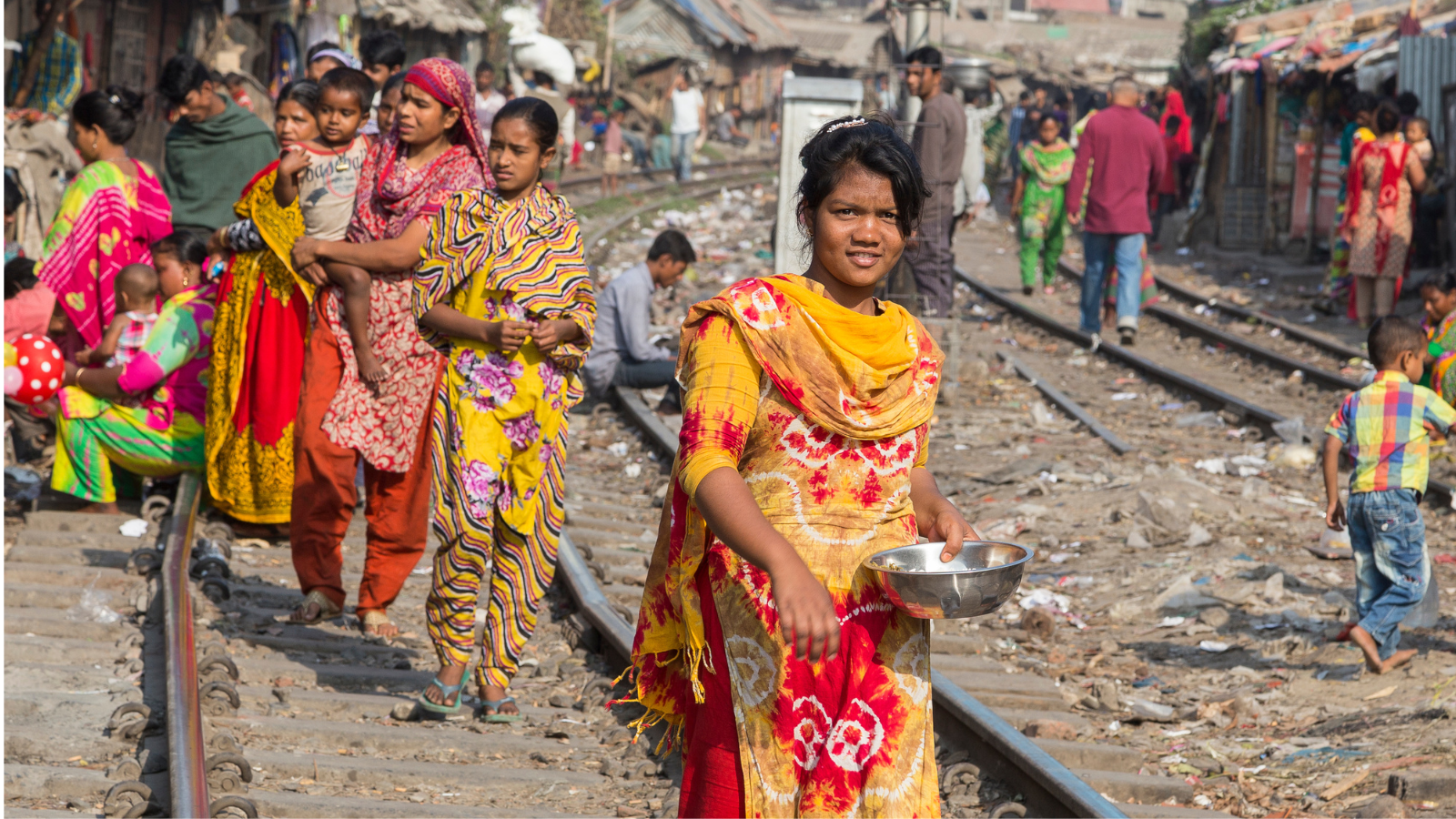
AMR policy has long been gender-blind, and this case study documents our work to change that. In Uganda, GEAR Up partnered with the Ministry of Health to embed gender and equity provisions into the revised National Action Plan 2024–2029. In Bangladesh, a scoping review of existing policy documents informed recommended changes to the National AMR […]
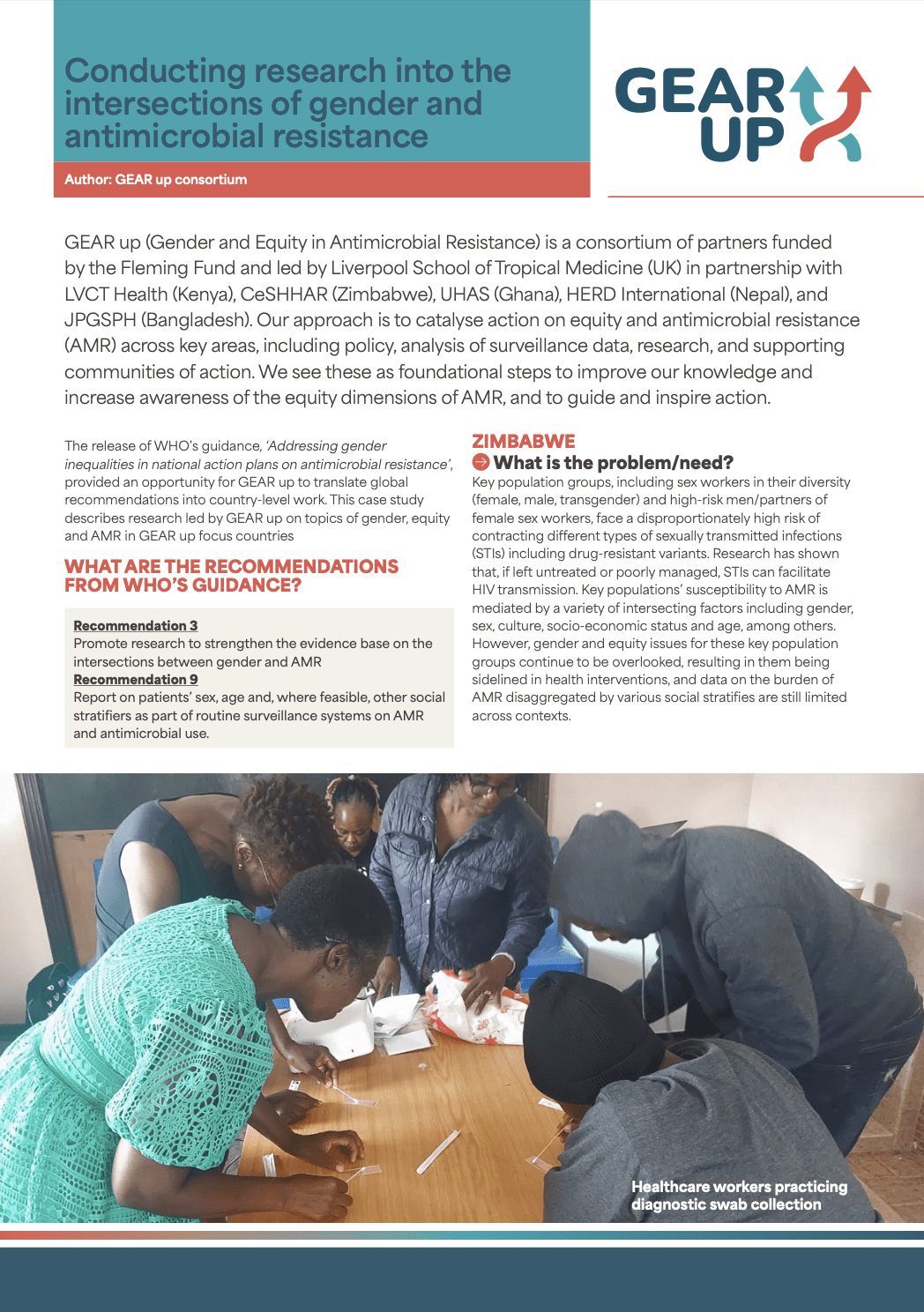
This case study explores how GEAR Up is building the evidence base on gender, equity, and AMR across two country contexts. In Zimbabwe, surveillance research with key population groups reveals high rates of gonorrhoea misdiagnosis and the urgent need for point-of-care diagnostics. In Bangladesh, qualitative research in Dhaka’s informal settlements uncovers how poverty, gender norms, […]
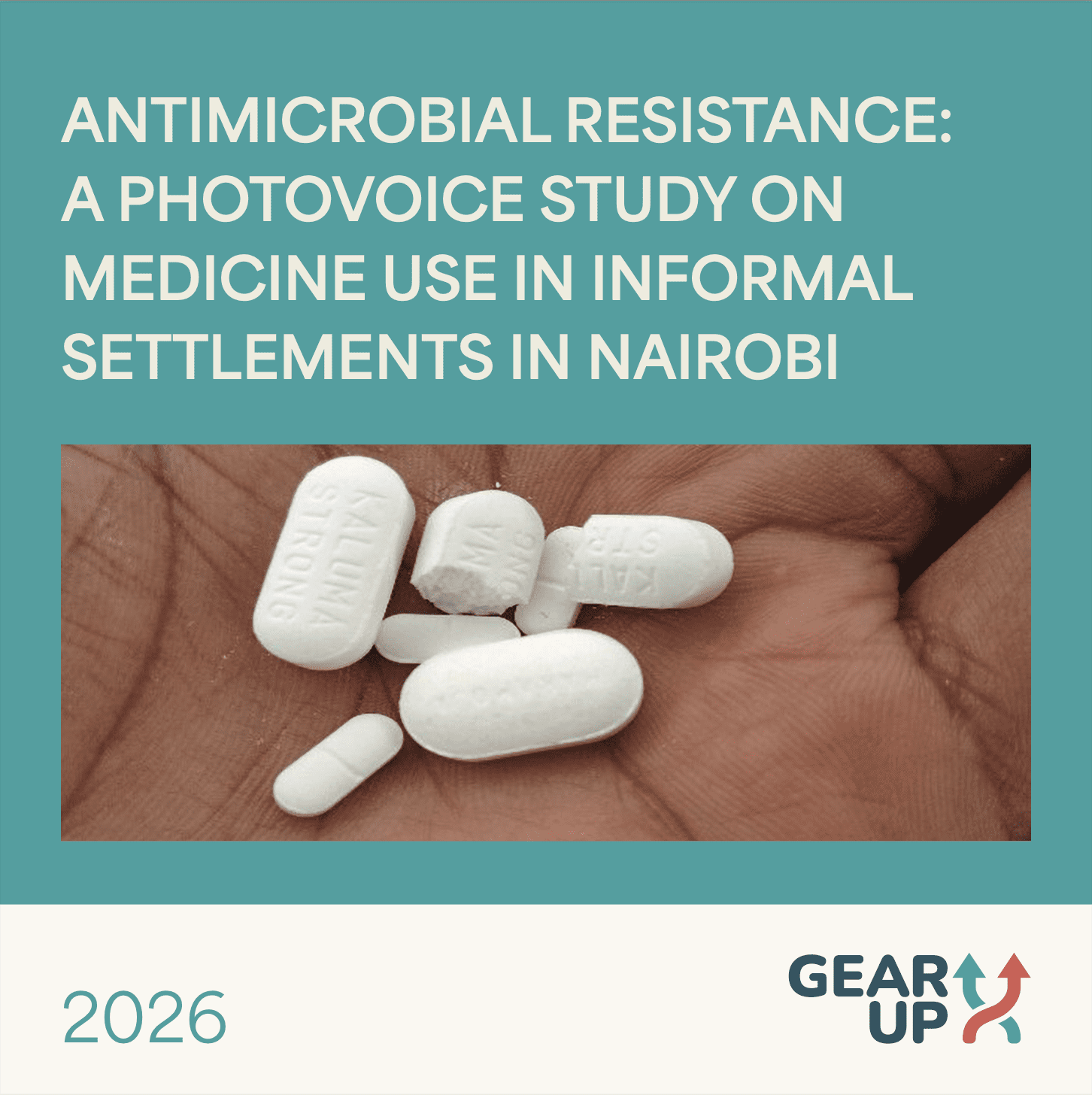
What drives medicine use in informal settlements, and what does that mean for antimicrobial resistance? This photovoice study, conducted by LVCT Health as part of the GEAR Up project, puts community members at the centre of the research. Over three weeks in Nairobi’s Raila Village, residents of Mugumoini Ward documented their own experiences of accessing […]
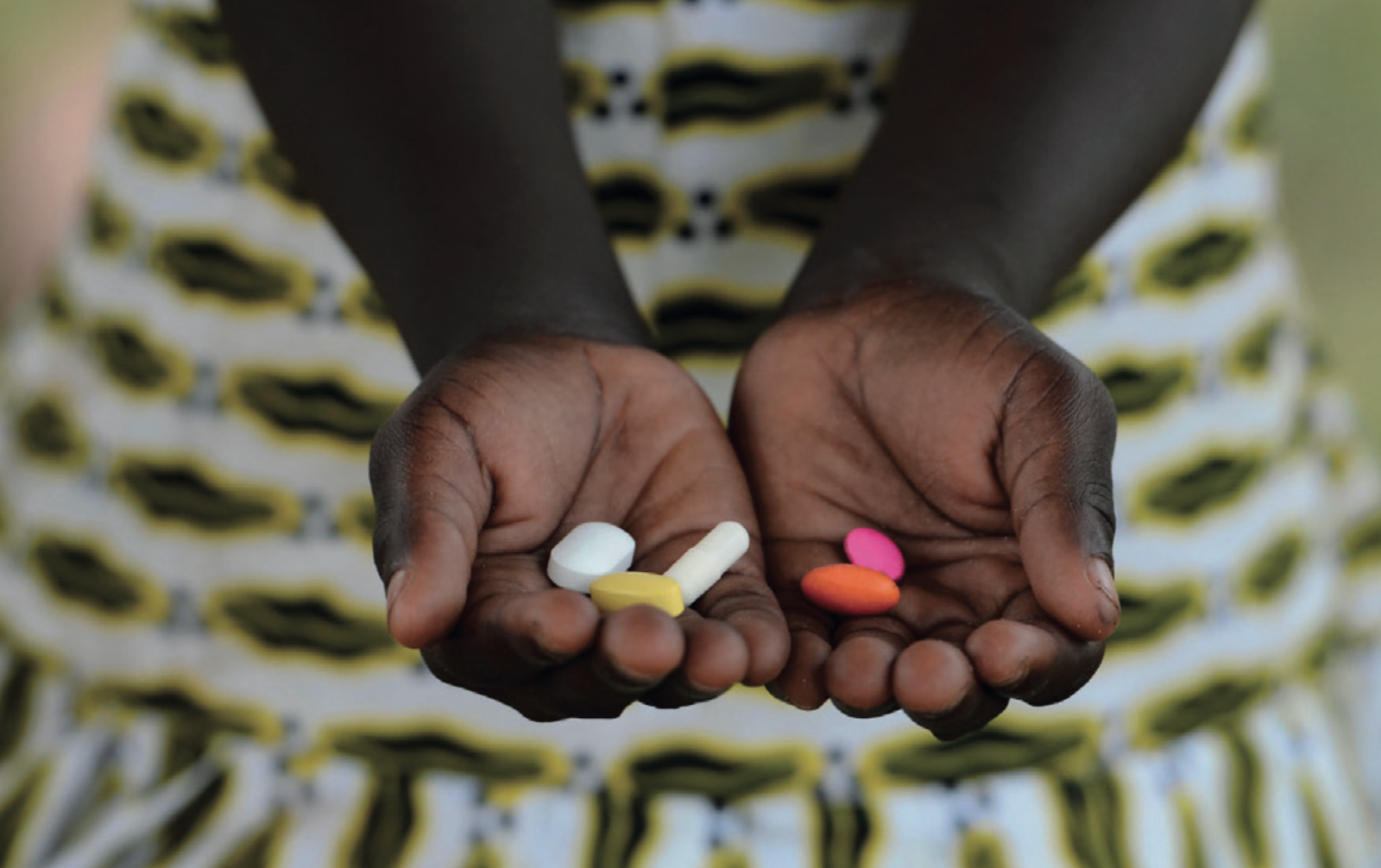
Why is it important? Collecting and disaggregating data by sex, age, and other variables can provide essential insights into the drivers of health inequities. These indicators can make the inequitable burden of antimicrobial resistance (AMR) within and between groups visible and can inform the design of interventions that address the root causes of AMR.Aggregated datasets […]
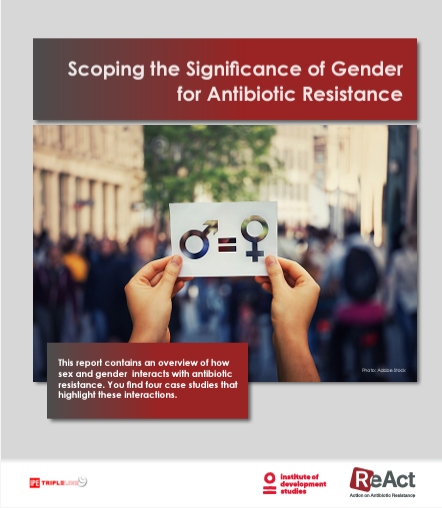
This report explores the ways in which sex and gender interact with antibiotic resistance and makes the case for all actors engaged in addressing antibiotic resistance to undertake further work in this area. Given the current gap in data on both sex and gender in relation to antibiotic resistance, this is a necessary challenge which […]