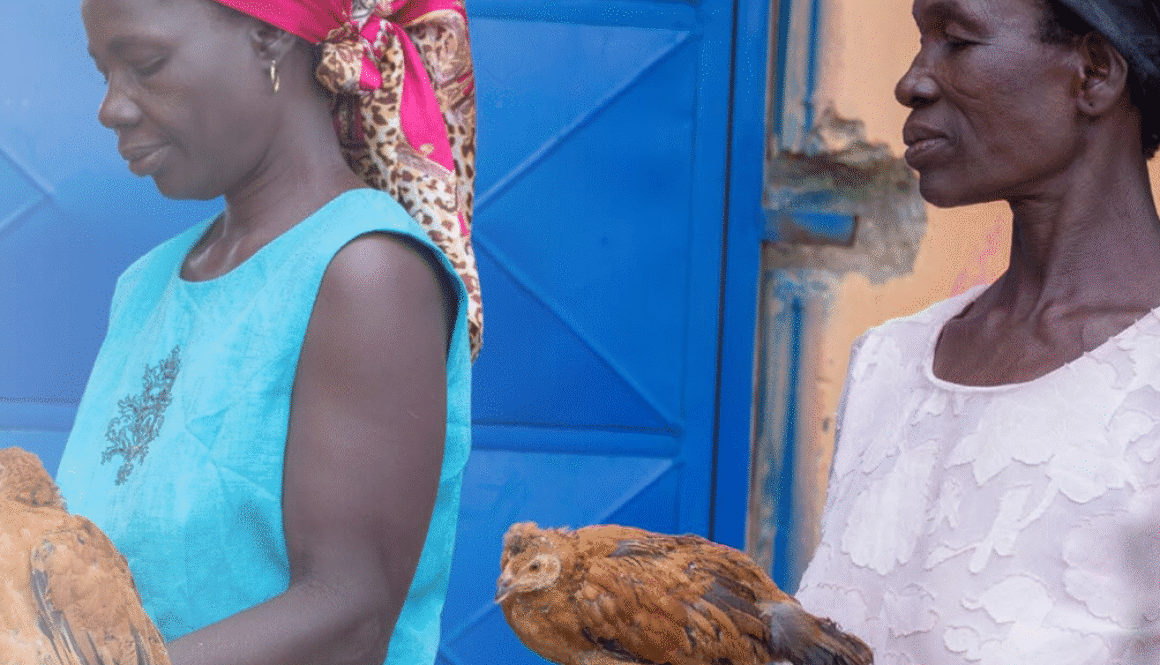
Owning livestock can support women’s empowerment and progress toward gender-equitable agri-food systems. Gender inequality, however, can reduce women’s ownership of livestock and access to animal vaccines. Gender accommodative approaches (GAAs), and more recently gender transformative approaches (GTAs), are increasingly implemented in development interventions. However, their impact on women’s empowerment has not been systematically tested. Here, we describe the ‘Women Rear Project’, implemented in northern Ghana between 2019 and 2023, and assess the impact of GTAs and GAAs on women’s empowerment, ownership of livestock, and access to animal vaccines.
Objective
We sought to systematically assess changes conferred by GAAs and GTAs on gender norms and women’s empowerment and access to animal vaccines.
Methods
Using a mixed-methods approach, in 2021 and 2023 we collected quantitative and qualitative data regarding women’s empowerment, gender norms, and access to animal vaccines. Qualitative data regarding women’s and men’s conceptualizations of gender norms and women’s empowerment were obtained via focus group discussions and key informant interviews. Quantitative survey data were obtained from 500 households, using the Women’s Empowerment in Livestock Index (WELI). Quantitative data on livelihood indicators were also collected, using the Rural Household Multi-Indicator Survey (RHoMIS) tool. We systematically assessed changes between baseline (2021) and endline (2023) in local conceptualizations of empowerment in the livestock sector, the effects of GTAs and GAAs on such conceptualizations, and how empowerment was experienced by women and men and the implications for women’s access to animal vaccines.
Results and Conclusion
Local conceptualizations of empowerment in 2021, among both women and men, emphasized financial independence, decision-making autonomy, self-reliance, and problem-solving skills. In 2023, this conceptualization of empowerment had expanded to include the ability to act without external restrictions; women were empowered by managing resources, running successful businesses, and making decisions in consultation with their husbands. Furthermore, women in communities where GTAs had been enacted scored significantly higher in empowerment compared with women in communities where only GAAs had been introduced. Gender norms impacted empowerment indicators, with respect among household members and autonomy in income both contributing to disempowerment. Gender norms also affected respondents’ reporting. Women’s access to livestock vaccines was more positive in GTA/GAA communities. We recommend efforts are made to reduce restrictive gender norms and enhance women’s empowerment and access to resources such as animal vaccines.
Significance
We offer recommendations for pathways toward women’s empowerment and healthy livestock via inclusive innovations in agri-food systems.
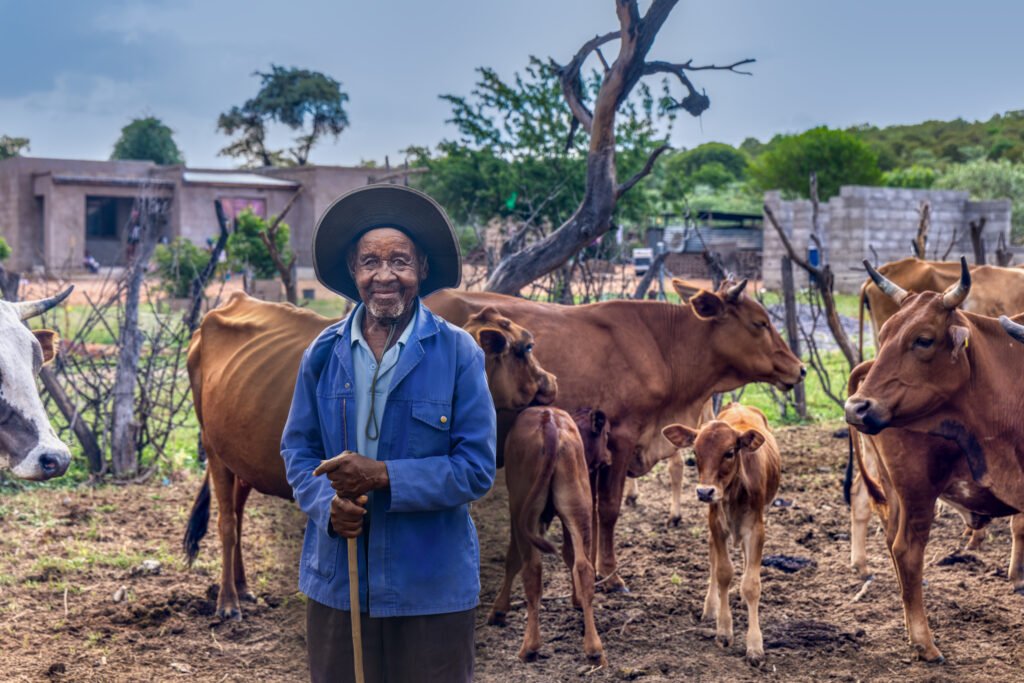
There are persistent and significant gender gaps in low- and middle-income countries (LMICs) which negatively impact productivity, food security and livelihoods. Livestock, particularly chickens, sheep and goats, are essential to sustain livelihoods and nutrition in rural areas of LMICs. They are particularly important to the livelihoods of women and their households given that women farmers in rural areas have few alternative ways of making a living.
Preventable, deadly diseases such as Newcastle (ND) and Peste des petits ruminants (PPR), however, often decimate flocks of chicken and herds of sheep and goats. Vaccines to prevent these diseases exist, yet livestock keepers, particularly women in rural areas, infrequently use them. Without these interventions, the health and productivity of the animals are compromised and so is women’s ability to support their livelihoods and that of their households. Both technological and social factors limit access to and uptake of livestock vaccines. For example, technological factors may include a lack of cold chain infrastructure to transport the livestock vaccines. Socio-institutional factors may include informal rules in a community that forbid women from liaising with unrelated men, reducing their ability to obtain animal health services and vaccines from vets (who are almost exclusively men).
The empowerment of women is often seen as a way of addressing gender-based disadvantage and providing women with the capabilities to leverage livestock to support their livelihoods and that of their families. Empowered women farmers are more likely to hear about, access, adopt, utilize and benefit from animal vaccines and healthier livestock. Facilitating women’s empowerment requires addressing women’s limited agency, access to resources, and opportunities. These in turn are influenced by restrictive gender norms, that shape informal rules of behavior and inequitable policies. Gender-responsive policy efforts bundled with interventions that transform restrictive norms could potentially support women’s engagement in the livestock sector and their potential to get empowered.
While gender plays an important role in a person’s risk of exposure and vulnerability to drug-resistant infections, few national action plans (NAPs) on AMR include gender considerations.
The detrimental impacts of AMR are not evenly distributed across populations, and disparities, including those based on gender, are evident. Despite the profound implications of this gendered impact, there exists little research on the intersection of gender and AMR.
To support policymakers in making their national action plans on AMR more gender-responsive, the World Health Organization, with support from the Global Strategy Lab*, developed a guidance document including 20 evidence-informed recommendations. These recommendations are based on a review of the existing scientific evidence and input from AMR and gender experts and are designed so they can be tailored to individual country contexts and needs.
What Does the Available Data and Research Say about Gender-based Exposure Risk?
This research found that little of the available data on incidence of AMR and antimicrobial use are broken down by gender. Data available by gender, age and other social factors, are important tools for researchers and policymakers when deciding on effective AMR interventions. The research that is available shows that gender norms, roles, and relations impact the settings where people are more likely to be exposed to infections, a person’s health care-seeking behavior, and how antimicrobials are prescribed and used.
Key findings from the research include:
Traditional gendered paid and unpaid work can lead to increased exposure risk to drug resistant infections. For example, women make up over 70% of the global health workforce.
Male-dominated professions, including animal husbandry, industrial farming and slaughterhouses, expose men to antibiotics and (drug-resistant) infections.
Negative experiences with the health system and stigma can deter women and men who have sex with men from seeking specialized care to diagnose and treat sexually-transmitted infections or urinary tract infections.
Women are 27% more likely to receive antibiotics throughout their lifetime than men.
Key recommendation from the study include:
Countries should collect data on antimicrobial usage and drug-resistant infections, broken down by sex, age and other socio-economic indicators.
Include gender experts and promote equal participation of women, men and other vulnerable groups and/or groups facing discrimination in multi-sectoral AMR coordination mechanism and technical working groups.
* This research was carried out through GSL’s special designation as the WHO Collaborating Centre on Global Governance of Antimicrobial Resistance. For this project, the team at GSL conducted the evidence review and wrote the report.
This blog post, by Meenakshi Monga and Ralalicia Limato, brings us up to speed on a recent GEAR up webinar on the use of surveillance data. Speakers from Lao PDR and Tanzania provided real-world examples and there was plenty of time for questions and answers!
In early 2025, the GEAR-UP team travelled to Tanzania, Lao PDR and Uganda to collaborate with country grantee teams on the analysis of tailored approaches for incorporating gender and equity into the analysis of antimicrobial resistance (AMR) surveillance and antimicrobial use (AMU) data. Through hands-on analysis, GEAR up focused on building local capacity, sharing lessons, and creating frameworks that reflect the needs of each country. These visits represented more than technical support—they were part of a bigger shift toward inclusive, data-driven strategies that can strengthen responses to curb AMR.
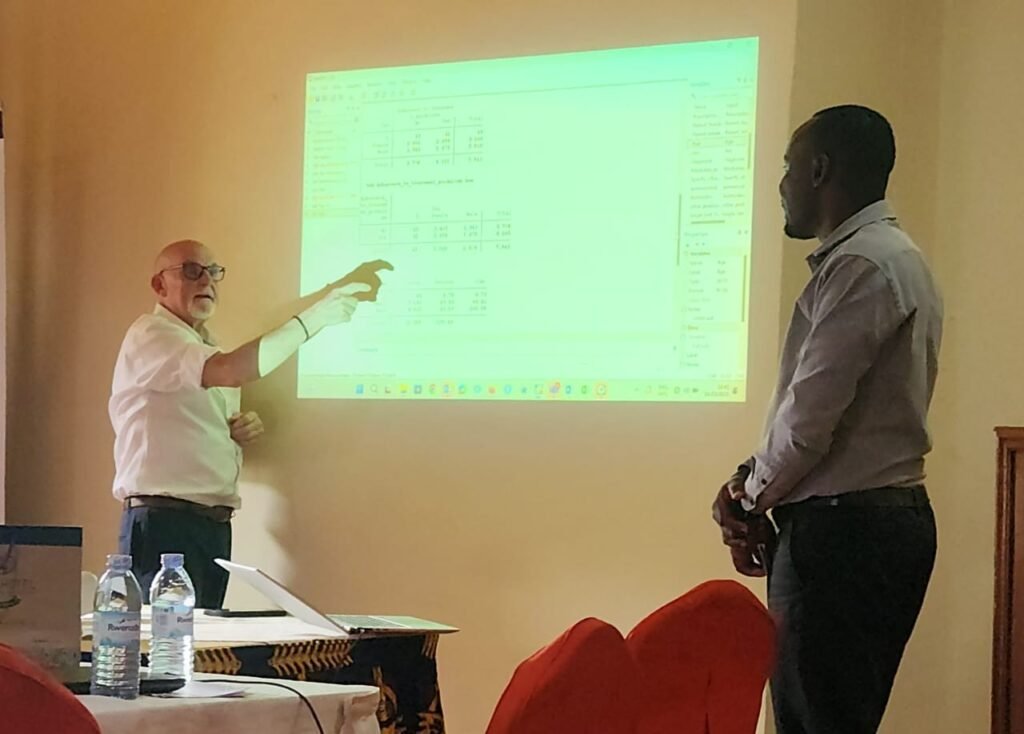
To share experiences on this work, on 29 May 2025, the GEAR up consortium hosted a webinar titled “Understanding an Equity Analysis Using Surveillance Data Experience.” In this session, GEAR up and collaborators presented the step-by-step approach to examine AMR and AMU data through gender and equity lenses, as well as the results from Lao PDR and Tanzania.
Russell Dacombe, Senior Research Associate at LSTM, opened the session with a warm welcome and set the tone for the discussions ahead. He was followed by Andy Ramsey and Ralalicia Limato, GEAR up consultants, who shared experiences and key takeaways from their recent country visits. Their presentations offered practical insights into how an equity-focused approach is being applied to surveillance data in the field.
One of the highlights came from Lao PDR, where May Soe Thwe, Technical and Data Project Lead at Fondation Mérieux, presented learnings from an equity analysis of Phase 1 AMR surveillance and AMU data. Her presentation focused on data from urinary tract infections (UTIs), melioidosis, and surgical antibiotic prophylaxis —shedding light on inequitable risks of developing AMR and contracting infections between people from different sexes, age groups, and occupations.
From Tanzania, Joel Manyahi, Associate Professor in Microbiology and Clinical Microbiologist at Muhimbili University of Health and Allied Sciences and Muhimbili National Hospital, shared real-world applications of equity assessments with an example of UTIs.
The event wrapped up with an interactive Question and Answer session, allowing participants to raise questions and explore the practicalities of integrating equity into surveillance work. Russell Dacombe then closed the session with a brief reflection and thanks to all presenters and attendees.
Diagnosing and uncovering comorbidities beyond clinical data
One key area of discussion revolved around the depth of data analysis. While national surveys might not always capture extensive information like patient occupation, the ability to look further into diagnosis and comorbidities is vital. Analysing AMR data requires a structured approach to uncover meaningful insights.
Discussion centred around the importance of collecting a broader range of variables beyond just clinical data and steps of AMR data analysis with a focus on gender and equity. The process involves identifying key variables and reliable data sources, defining important stratifiers such as age, gender, or geographic location to ensure equity-focused analysis. Next, selecting relevant specimen types to analyse which may inform the suspected infections or infection sites. Following, identifying bacteriologically confirmed infections and the identified bacterial pathogens. The final step involves analysing AMR patterns based on stratifiers mentioned above. The outcomes showed that different sexes, age groups, or occupations have different risks of infection exposure and AMR development.
AMR surveillance: Addressing patient tracking and data duplication
AMR surveillance provides evidence needed to track resistance patterns to inform decisions on treatment guidelines and shape policies. This enables healthcare systems to identify emerging threats, allocate resources efficiently and measure intervention impacts. It also helps in identifying trends, prioritise high-risk populations and guide antibiotic stewardship programmes for timely and targeted response to AMR. However, one of the persistent challenges in data analysis, especially in regions where unique patient identifiers are not universally established, is tracking individual patients accurately and avoiding duplication in surveillance data. This is important because multiple samples from the same patient can skew results if not properly identified.
In Tanzania, regional and district healthcare facilities address this by using health information systems with unique patient IDs that remain consistent across visits, ensuring only the first occurrence of a condition is included in surveillance reports. Where unique IDs are unavailable, facilities cross-reference patient details and specimen numbers, analysing only one isolate per patient to prevent duplication. These practical solutions offer valuable insights for other countries facing similar data management challenges, proving effective patient tracking is achievable. The discussion also touched upon the importance of incorporating social and environmental risk factors alongside microbiological data. A more holistic approach—looking beyond the clinical aspects to consider a wider social context — can provide a better understanding of patient outcomes and inform more targeted, equitable interventions.
Moving Forward: Synthesising learning into action
The discussion highlighted an important message on the urgent need for people and systems centric approach towards analysing AMR surveillance data with an equity lens. As a way forward GEAR up team is synthesising these learnings into a guidance document to assist others in navigating the gender and equity analysis process, built upon the real-world experiences shared.
We extend our gratitude to all presenters and participants for their insightful contributions and engagement. Stay tuned for further resources as we continue to advance our understanding and application of AMR surveillance data for a more equitable future.
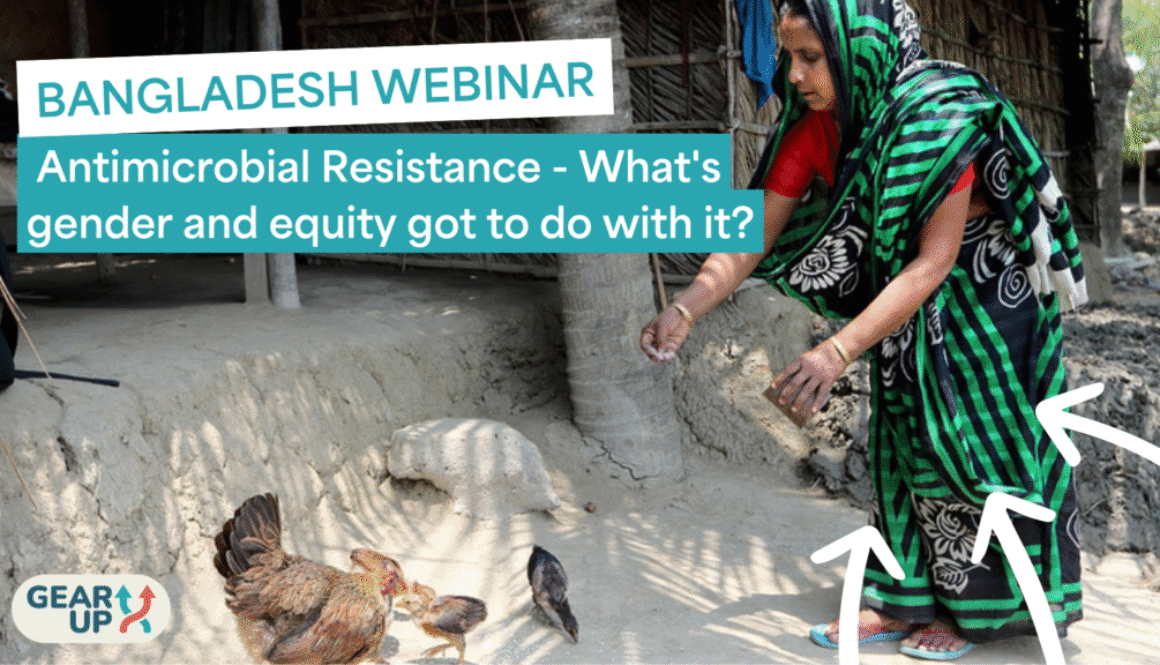
A GEAR up webinar on the importance of gender and equity in the study of antimicrobial resistance, in the context of Bangladesh. Hosted by Syeda Tahmina Ahmed from the James P Grant School of Public Health at BRAC University. With presentations from Dr Rosie Steege and Dr Katy Davis from Liverpool School of Tropical Medicine.
In this reflective video, Professor Sally Theobald from the Liverpool School of Tropical Medicine joins the GEAR Up project to spotlight the urgent need for gender equity in addressing antimicrobial resistance (AMR). She explains that AMR research has traditionally been dominated by biomedical, laboratory-based approaches – often missing the broader social and gendered realities that shape people’s access to care and responses to treatment.
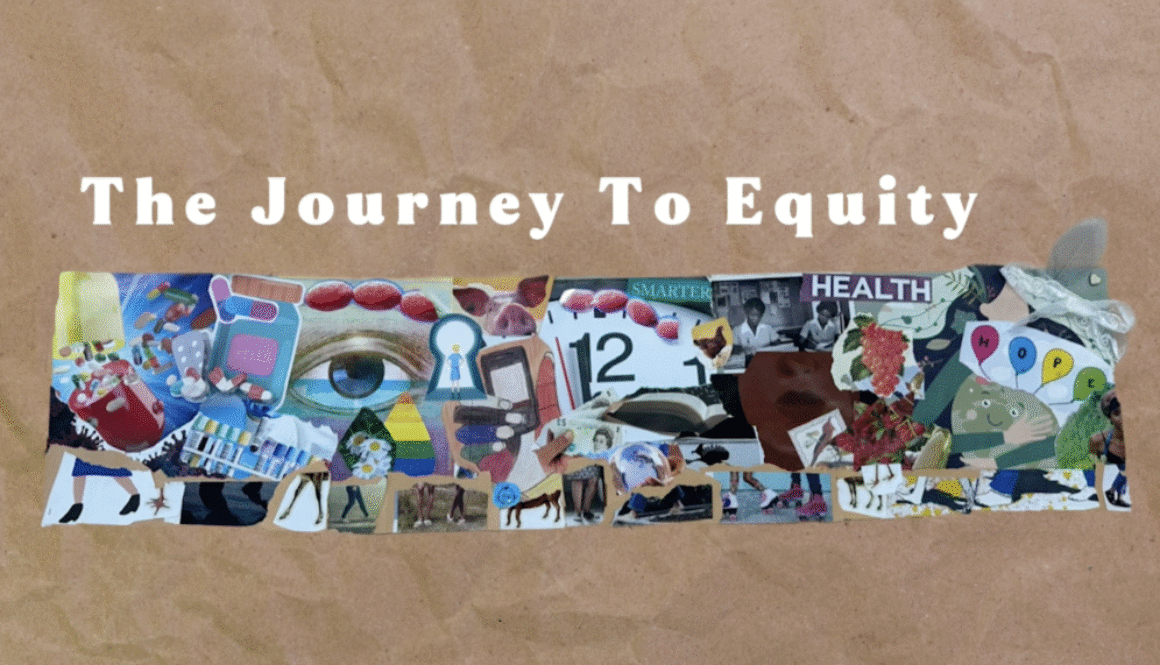
The video captures a creative workshop where participants explore collage as a method for communicating across languages, cultures, and disciplines. This environmentally sensitive and accessible medium encourages a slower, more embodied way of thinking – sparking emotional engagement as well as intellectual reflection.
As one participant notes, “collage lets us design with intent,” giving visual form to complex ideas about progress, fragility, and hope.
Throughout the workshop, visuals like symbolic cars, heart icons, and pill shapes emerge, each representing key elements of research, resilience, and evolving health systems. Participants describe their work as a shared visioning process, using art to express a theory of change that can be tested and co-developed with global partners, such as community-based researchers in Kenya.
“The Journey to Equity” ultimately becomes more than just a title – it captures the spirit of GEAR Up: a collective journey toward more inclusive, intersectional, and grounded responses to AMR.
This approach moves beyond narrow data and siloed health systems, aiming instead to understand the social drivers of infection and create space for diverse voices in shaping solutions.
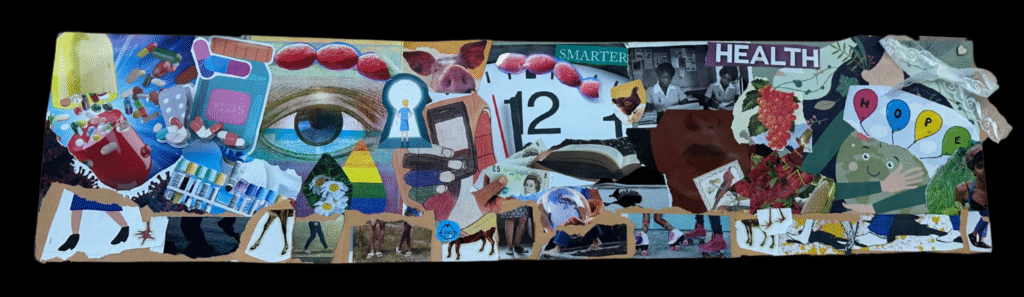
GEAR up, supported by the UK aid Fleming Fund, is a groundbreaking research consortium looking at links between gender, equity and antimicrobial resistance (AMR), which has been named as a finalist for the ReAct Africa Art Prize for their work presented in a collage.
This recognition highlights the importance of the project’s innovative communications approach. Using art to shed light and prompt discussion on complex scientific issues like AMR, illustrating its real-world impact on communities and health systems.
GEAR up has been invited to present at the ReAct Africa and South Centre AMR Conference in Lusaka, Zambia, on 11 – 12 June 2025, and will be represented by Sneha Paul, of BRAC James P Grant School of Public Health, who submitted the collage work.
The collage series was created earlier this year when the consortium team – comprised of researchers from Africa, Asia and Europe – came together in a series of meetings to visualise their work. Team members shared their hopes and fears in the context of their work, considered the impact they would like to have and tried to visualise a world where AMR is no longer a challenge and threat.
The vibrant and thought-provoking collages use all manner of materials, from magazines and newspapers to medication packaging, fabric and beads. They explore themes of health, illness, antibiotic use, gender, communication, and the interconnectedness of people and health systems. The collages invite a deeper reflection on how we see, speak, and respond to health, gender and equity in complex, integrated systems.
Lived experience
“Facts alone don’t move people—stories and visuals do,” says Bachera Aktar from GEAR up’s partner in Bangladesh, BRAC James P Grant School of Public Health, BRAC University. “Creative communication methods, like collage, don’t just illustrate science; they humanise it. Collages are more than just art; they’re a dialogue, a way of seeing and feeling. Layer by layer, it helps us uncover the deep connections between gender, AMR, inequality, and lived experience.”
Expressing humanity within research
“We are facing a wave of health misinformation and disinformation. It’s confusing, alienating and designed to foster mistrust,” says Kate Hawkins of Pamoja Communications, who led the creative process. “Expressing humanity within our research communication and recognising the complex feelings and standpoints of receivers of health messaging is essential to create the solidarity needed to face the challenge ahead.”
Please contact us if you would like higher quality versions of these files.
About GEAR up
GEAR up seeks to catalyse action on gender and equity within AMR through supporting Fleming Fund country grantees to mainstream gender and equity within routine AMR systems and structures. We aim to increase awareness, and contribute to the knowledge, on structural inequities driving and shaping the AMR response. We also seek to facilitate South-South exchange through building a global community of practice to guide and inspire further action and global knowledge sharing.
GEAR up is funded by the Fleming Fund. The Department of Health and Social Care’s (DHSC) Fleming Fund is a UK aid programme supporting up to 25 countries across Africa and Asia to tackle antimicrobial resistance (AMR), a leading contributor to deaths from infectious diseases worldwide.
The Fleming Fund invests in strengthening AMR surveillance systems through a portfolio of country grants, regional grants, and fellowships managed by Mott MacDonald, and global projects managed by DHSC.
By collecting disaggregated data and involving diverse stakeholders, Uganda is setting a precedent for inclusive, gender-responsive AMR strategies in Africa. In this blog by Susan Okioma, Anne Ngunjiri, Anthony Mwaniki and Rogers Kisame talk about LVCT Health’s recent successful monitoring and evaluation trip to Uganda.
Antimicrobial resistance (AMR) is a silent yet a growing crisis hitting low- and middle-income countries (LMIC) the hardest. AMR disproportionately affects genders differently due to a complex interplay of biological, sociocultural, and systemic factors. Women, children, and marginalised gender groups often face higher risks and greater barriers to accessing effective healthcare, making gender and inclusion critical considerations in AMR response strategies. Without timely, targeted interventions, the human and economic toll of AMR will continue to rise — overwhelm health systems, widening health inequities, and threatening progress towards global health goals.
In response, governments are adopting National Action Plans (NAPs) on AMR – comprehensive blueprints developed in line with the World Health Organisation’s Global Action Plan on AMR. These NAPs outline national priorities for improving infection prevention and control, regulating antimicrobial use, expanding access to quality diagnostics, and strengthening antimicrobial stewardship. Additionally, countries are investing in real-time surveillance systems and stronger laboratory capacity to detect resistance patterns, track antimicrobial use, and facilitate timely, evidence-based interventions.
Uganda is one of the leading African countries in AMR response, having recently launched its second generation 2024/25-2028/29 National Action Plan: Prevent, Slow Down and Control Spread of Resistant Organisms. The NAP sets Uganda apart by explicitly prioritising gender and equity mainstreaming, positioning the country at the forefront of inclusive, multisectoral AMR policy and implementation in Africa.
Through the GEAR UP project, led by LVCT Health as the East Africa regional partner, Phase II of the Fleming Fund is making significant progress in embedding gender and equity considerations into AMR programming. A recent milestone was the LVCT Health team’s monitoring and evaluation visit to Uganda, conducted from 3rd to 7th March 2025. The goal of the meeting was to strengthen monitoring and evaluation (M&E) approaches by integrating gender, equity, and other social dimensions into Uganda’s routine AMR surveillance and program review processes.
The visit achieved the following objectives:
Raised awareness and initiated dialogue on gender and equity in AMR surveillance — particularly in human health and animal health domains.
Assessed the integration of gender and equity into surveillance tools and their ability to generate disaggregated data and inform more inclusive AMR prevention, diagnosis, and response efforts.
Strengthened capacity across institutions to mainstream gender and equity within AMR surveillance, including enhancing understanding of how to analyse and use sex-disaggregated and equity-relevant data.
Promoted the use of sex, gender and equity-disaggregated data to uncover disparities in AMR burden, access to diagnostics, treatment outcomes, and service use.
By doing so, the participating teams gained a comprehensive understanding of the impact of AMR across diverse subpopulations. They also reflected on how AMR programming can be responsive to the needs, rights, preferences, and power dynamics among women, girls, men, boys, and other vulnerable groups in monitoring and evaluation processes.
Insights from the Field
The M&E visit was an enlightening experience that underscored the critical intersection of gender, equity, and AMR surveillance. Hosted by Baylor College of Medicine Children’s Foundation Uganda (Baylor Foundation Uganda),the visit brought together stakeholders from the Uganda One Health platform, who are custodians of various data sets. Participants included pharmacists from key ministries responsible for antimicrobial use and consumption data (AMU/AMC) in both human and animal health, as well as representatives from the Uganda National Health Laboratory Services (UNHLS) and the National Animal Disease Diagnostics and Epidemiology Center (NADDEC).
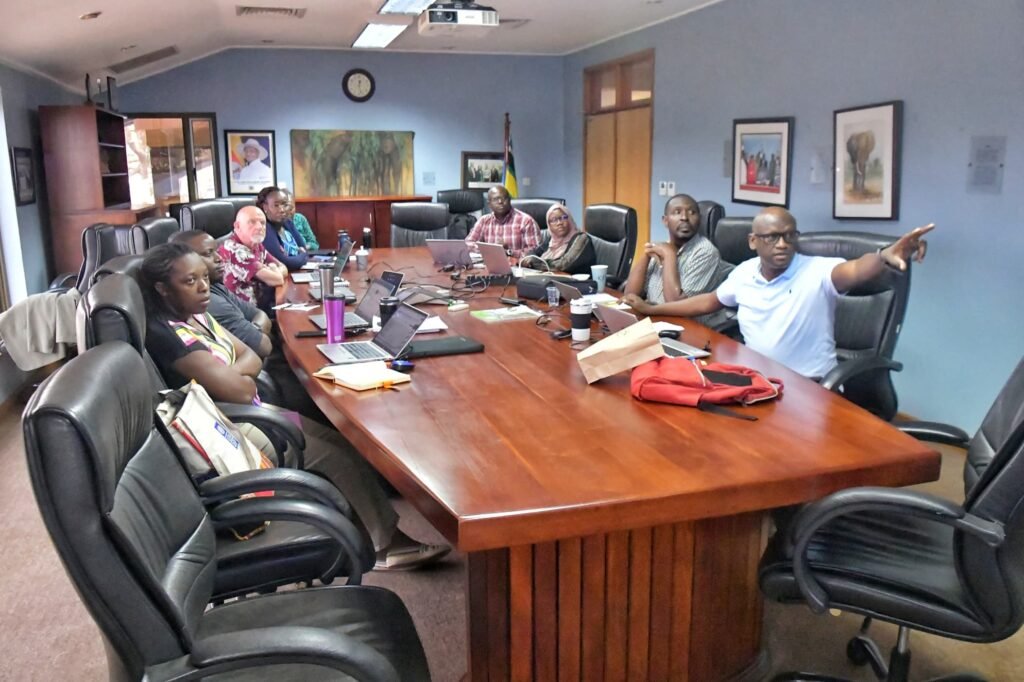
The LVCT Heath team ran gender and equity capacity strengthening sessions for participants across the One Health space
Gendered patterns in AMR – What UTI data revealed
One of the core activities involved analysing the AMR human health data related to urinary tract infections (UTIs), presenting an invaluable opportunity to explore gendered patterns of infection and resistance from the AMR surveillance data. This analysis was led by Prof. Andy Ramsey from the Liverpool School of Tropical Medicine (LSTM).
Prof. Ramsey guided the team through trends emerging from Uganda’s AMR surveillance data, alongside comparative insights from Tanzania. A notable observation was the overrepresentation of women in UTI cases, particularly those aged 15–54, while men were more frequently affected in the older age group (54 and above). This pattern aligns with global trends, where anatomical and hormonal factors predispose women to UTIs.
For comparison, Prof. Ramsey provided insights from Tanzania, where UTI cases among older men were often associated with prostate-related complications. These cases involved different pathogen profiles than those typically seen in younger populations.
Analysis of the Uganda and Tanzania AMR datasets revealed sex-based differences in both pathogen prevalence and antimicrobial resistance profiles. These disparities may be influenced by factors such as healthcare-seeking behaviors, prior antibiotic use, or underlying comorbidities. These insights prompted important questions about how age, sex, and underlying health conditions influence infection patterns and resistance outcomes.
This finding sparked important questions during the discussions at the Central Public Health Laboratory (CPHL):
What explains the over-representation of women aged 15–54 in UTI cases?
What are the predominant pathogens in male versus female UTI cases?
Are there notable differences in AMR profiles based on sex and age?
Are there comorbidities, health conditions or characteristics such as age or sex that are associated with particular UTI pathogens or AMR UTI profiles?
The findings and discussions underscored the critical need for gender-responsive and equity-based approaches to AMR surveillance. And the critical need to generate sex- and age-disaggregated data to better understand AMR patterns and inform more tailored, gender-responsive strategies for prevention and treatment in tackling these public health challenges.
Strengthening laboratory capacity for gender- and equity-responsive AMR surveillance and M&E
The visit underscored the importance of building institutional capacity on gender and equity integration into AMR surveillance and monitoring systems across all One Health domains – human, animal and environmental health. The sessions revealed significant gaps in participants’ understanding of how gender and equity intersect with AMR data in each domain. These gaps point to a broader challenge: existing systems may be missing critical patterns and disparities that shape exposure, access to care, treatment outcomes, and risk of resistance among different population groups. Without this lens, AMR responses risk being less effective and potentially inequitable.
However, there was a palpable enthusiasm for learning and change. For instance: during discussions at the Uganda National Health Laboratory Services (UNHLS), participants emphasised the need to disaggregate data beyond sex and age by including other social determinants /health statifiers like marital status, disability status, geographical location and economic status. Dr. Susan Nabadda, Director of the Uganda National Health Laboratory Service (UNHLS), requested that the capacity of the laboratory staff be strengthened on gender and equity in AMR programming, and especially in collecting disaggregated diagnostic data that is clear, representative and can be used to inform policy and interventions. This means:
Ensuring patient-level data includes key variables like sex, age, location, and—where possible—socioeconomic markers (e.g. referral source, facility type).
Flagging AMR data patterns by analysing the sex-, age- and socioeconomic-disaggregated data in a way that enables meaningful comparisons;
Collaborating with epidemiologists and data analysts to use those insights to design interventions that address systemic inequities, not just biological differences.
Building this capacity is essential to ensuring that AMR programming is truly inclusive, effective, and equitable—and that it serves all communities, not just the majority or most visible.
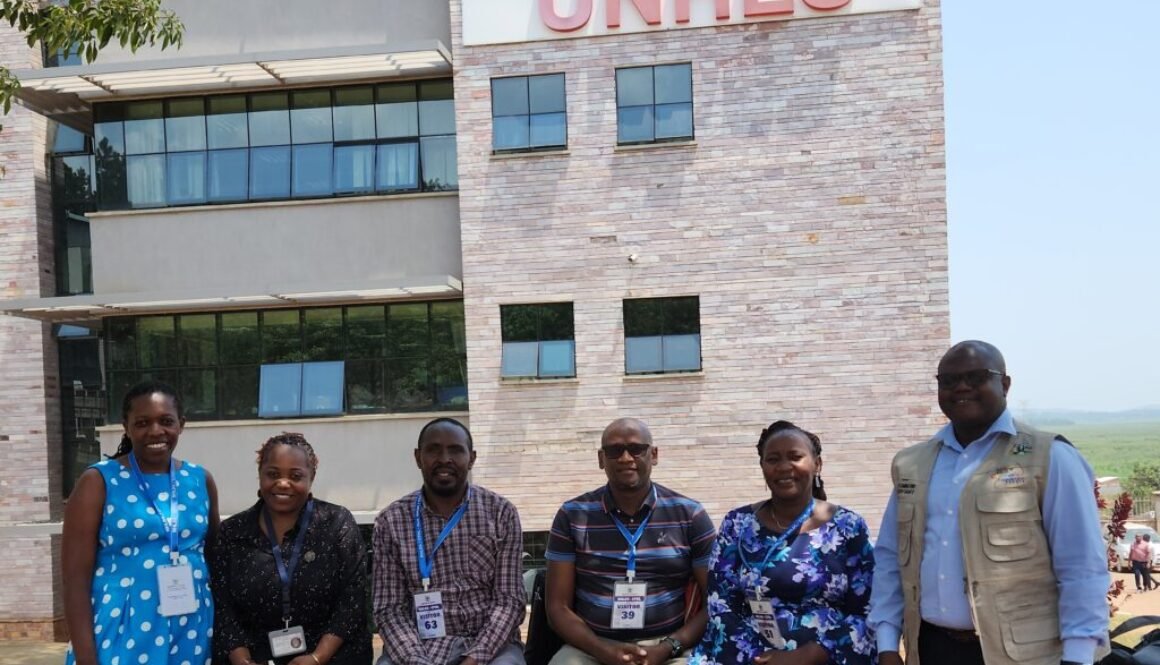
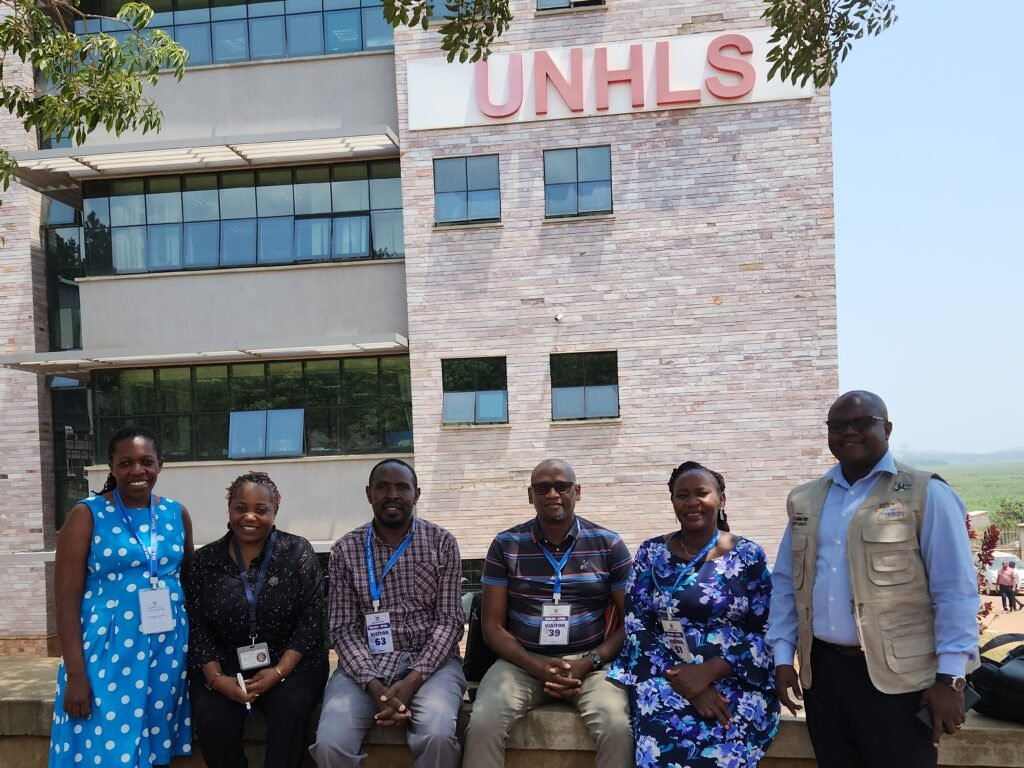
LVCT Health team, Baylor Foundation Uganda and the National Health Laboratory and Diagnostic Services partners during the meeting.
Need for a One Health approach in integrating gender and equity
Following the capacity-building sessions with human health laboratory stakeholders, focus shifted to the animal health sector—an essential pillar of the One Health approach. At the National Animal Disease Diagnostics and Epidemiology Center (NADDEC), participants discussed how gender and equity considerations were being reflected in veterinary AMR surveillance. They examined existing AMR surveillance data from the animal health sector, particularly in relation to antimicrobial use (AMU) in poultry farming. The analysis indicated that the data was primarily on large-scale and medium-scale farms, including poultry reared for export, with limited attention given to practices in small holdings. These settings were better monitored and more consistent with veterinary oversight and antibiotic tracking.
They acknowledged gaps in their animal health surveillance systems. Small-scale farmers, many of whom are women, were left out on the surveillance activities, as the focus was on large scale farmers, providing very limited data on antibiotic practices and resistance patterns. This gap meant the experiences and contributions of women in the livestock sector were being missed in both AMR data and policy conversations. Where the data existed, the NADDEC team observed that small- to medium-sized poultry farms managed by women had higher rates of AMR compared to those managed by men. This raised important questions about gendered differences in farming practices, access to veterinary care, and antibiotic usage. Interestingly, this could be linked to the gendered health-seeking behaviour, as women tend to seek veterinary health services more promptly than their male counterparts, leading to frequent antibiotic use, and their cases being more likely to be tested, documented, and reported for resistance patterns. This highlighted a critical need to strengthen surveillance in smallholder settings, expand data disaggregation by gender and farm type, and investigate how social and gender dynamics shape AMU behaviors and AMR risks across farming systems.
Participants from the animal health domain raised a significant challenge in Uganda: the difficulty in obtaining reliable data on veterinary antibiotic use and management (AMU) and biosecurity practices on farms. They noted that many farmers may not fully understand the antibiotics being administered to animals, and in some cases, veterinarians often fail to record what has been administered. For lay farmers, even dewormers might be mistakenly recorded as antibiotics, rendering AMR/AMU data unreliable.
Advancing equity in AMR data collection and use
Our discussions with the human and animal health stakeholders highlighted Uganda’s already existing and robust AMR surveillance framework while also identifying opportunities for enhancement. A notable suggestion was piloting the collection of additional variables related to health equity at selected sentinel sites to capture better how resistance burdens and access to treatment vary across population groups. These variables could include:
Enhancing data disaggregation: Incorporating gender, socioeconomic status, and geographic variables into AMR surveillance tools, such as Marital status, disability status/type, number of live births (for women), health insurance coverage, and access to antibiotics.
Household and environmental characteristics: Data on sanitation facilities, access to protected water sources, antibiotic use in livestock rearing, and proximity of waste sites to homes
Conduct further analysis: Explore associations between comorbidities/characteristics, e.g., occupation, rural residence, and specific pathogens or AMR profiles
By integrating these variables into existing tools like the Microbiology Request Form, we can better understand how social determinants influence UTI risk and AMR patterns
The learning loop: From insight to impact
As the GEAR up lead for East Africa, LVCT Health has embarked on a transformative journey with Uganda as the key technical partner in mainstreaming gender and equity. This collaboration has achieved significant milestones in promoting inclusive, gender-responsive AMR programming. The most notable achievement is the integration of gender and equity into Uganda’s second-generation 2024/25-2028/29 National Action Plan: Prevent, Slow Down and Control Spread of Resistant Organisms, marking the first time a Fleming Fund Phase II national plan has incorporated these critical elements.
A particularly affirming moment was captured in a LinkedIn post by the Baylor Foundation, which reflected on their achievements in their gender and equity mainstreaming journey.
The post reads: “Have you ever done everything right but still wondered why the results aren’t showing? We are often told that, that is a sign that strategy, not effort, needs to be changed. That’s what the Fleming Fund Country Grant II is doing—fine-tuning its approach, tightening the nuts and bolts, and driving impact in the fight against antimicrobial resistance (AMR)—leaving no one behind.”
The post acknowledges that, as a result of the process – a multi-phase, consultative which aimed to mainstream gender and equity into Uganda’s antimicrobial resistance (AMR) response – tangible resultsare now evident. LVCT Health played a key role in this process by providing targeted technical assistance to government institutions and AMR stakeholders. This included:
Facilitating gender and equity-focused M&E sessions;
Supporting the review of AMR surveillance data to assess gaps in equity representation;
Advising on the inclusion of disaggregated indicators within data collection tools
The integration of gender and equity into Uganda’s NAP for AMR, the M&E framework, and the AMR data collection tools marks a significant milestone in the GEAR up project’s efforts to strengthen AMR governance. This achievement reinforces the need for national commitment, stakeholder buy-in, and new entry points for institutional learning across sectors to achieve an inclusive, gender-responsive plan. As we look to the future, we are hopeful that our efforts to address AMR will be effective, targeted, inclusive, and equitable, benefiting all population groups, including women and other underserved populations.
Staff from UNPHL contributing to the M&E review actions
The Road Ahead
Our discussions in Uganda underscored a crucial insight that addressing AMR requires more than just laboratory surveillance; it demands a people-centered approach that considers the social and economic realities of those affected. By embedding gender-transformative methodologies and breaking down data silos, we can ensure that AMR programming is not only effective but also inclusive and sustainable. Uganda’s commitment to integrating gender and equity into AMR surveillance provides a promising foundation for change.
As we move forward, the insights gained during this visit must now translate into actionable policies and refined data management practices that ensure no population is left behind in the response against antimicrobial resistance. With the foundation laid by the second-generation NAP, Uganda is well-positioned to lead the way on gender-responsive AMR programming in the region.
Acknowledgements
We sincerely thank the Ministry of Health Uganda, the Uganda National Health Laboratory Services (UNHLS), NADDEC, and Baylor Foundation Uganda for their collaboration and openness during the M&E visit.
Thanks to Michael Gaitho, Jane Thiomi, Pacific Owoundo, Dr. Cleophas Ondieki, Festus Mutua and Hayley Stewart for their help in reviewing this blog.
Antimicrobial Resistance is recognised as a major threat to global health security. The WHO Southeast Asia region is dubbed a “global hub for AMR emergence”, as it runs the highest risk for AMR emergence among all WHO regions in Asia. Hence, there is a need for Asia-centric, collaborative AMR research aligned with the true needs and priorities of the region. This study aimed to identify and understand the challenges and opportunities for such collaborative endeavors to enhance equitable partnerships. This qualitative study adopted an interpretative approach involving a thematic analysis of 15 semi-structured interviews with AMR experts conducting research in the region. The study identified several factors influencing research collaborations, such as the multi-dimensional nature of AMR, limited or lack of funds, different AMR research priorities in Asian countries, absence of Asia-centric AMR leadership, lack of trust and, unequal power relationships between researchers, and the negative impact of the COVID-19 pandemic in research collaborations. It also identified some opportunities, such as the willingness of researchers to collaborate, the formation of a few networks, and the prioritisation by many academics of the One Health paradigm for framing AMR research. Participants reported that the initiation of stronger cross-discipline and cross-country networks, the development of Asia-centric AMR leadership, flexible research agendas with shared priorities, transparent and transferable funds, and support to enhance research capacity in LMICs could assist in developing more equitable collaborative research in Asia.
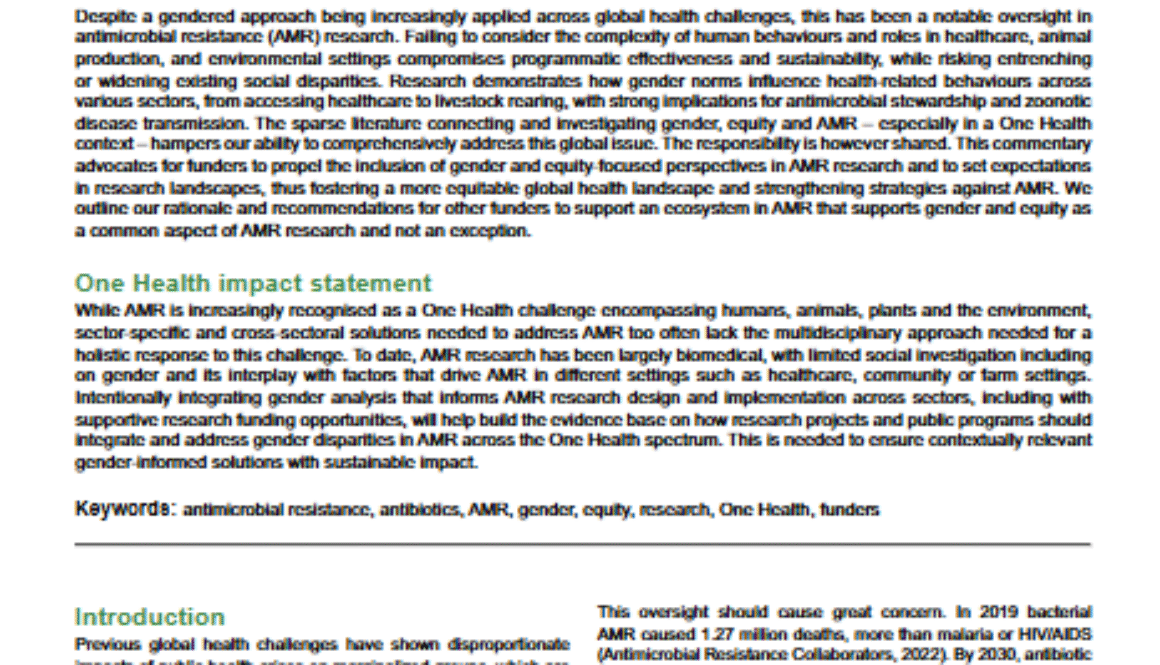
This article highlights the lack of integration of gender and equity perspectives in antimicrobial resistance (AMR) research, particularly within the One Health framework that spans human, animal, and environmental health. Despite evidence that gender norms and roles shape behaviours related to antibiotic use and disease transmission, most AMR studies have remained biomedical, overlooking important social dimensions.
The authors argue that addressing AMR effectively requires multidisciplinary approaches and the intentional inclusion of gender analysis to ensure more sustainable, equitable outcomes. It calls on funders to lead the shift toward more gender and equity focused AMR strategies by:
Creating funding opportunities to investigate gender and equity in AMR research,
Fostering a common language between disciplines and supporting social scientists in AMR research,
Encouraging diverse methodologies and multidisciplinary teams,
Exploring gender transformative research models,
Establishing partnerships with stakeholders from various sectors to enhance intersectoral collaboration.